The dream of yacht ownership is within reach for more people than you might imagine. However, understanding the true cost of ownership—beyond the initial purchase price—is essential for making informed decisions and enjoying your yacht without financial stress. Whether you’re considering a nimble Saffier daysailer, a spacious Excess Catamaran, or an elegant Jeanneau cruiser, realistic budgeting ensures your yacht brings joy rather than unexpected financial burden.
At Bluenose Yachts, we believe in transparency and helping our clients understand all aspects of yacht ownership. This comprehensive guide breaks down the ongoing costs you’ll encounter as a yacht owner in New England, helping you budget accurately and make confident decisions about your boating lifestyle.
Annual Operating Cost Overview
A common rule of thumb suggests that annual operating costs typically range from ten to fifteen percent of a yacht’s purchase price. For a yacht valued at three hundred thousand dollars, you might budget thirty thousand to forty-five thousand dollars annually for all ownership expenses. However, this varies significantly based on yacht size, type, usage patterns, and your specific choices regarding maintenance, storage, and upgrades.
Let’s break down each category to understand where these costs come from and how they apply to different types of yachts.
Dockage and Mooring Costs
Marina Slips
In New England, marina slip fees are one of the most significant ongoing expenses. Rates vary dramatically based on location, marina amenities, and season. In prime locations like Newport, Rhode Island, seasonal slip fees can range from one hundred fifty to three hundred dollars per foot for the summer season (May through October). A forty-foot yacht might cost six thousand to twelve thousand dollars for seasonal dockage.
Year-round slips, where available, command premium prices but eliminate the need for winter storage and spring commissioning. Some marinas offer discounts for annual commitments or off-season rates.
Moorings
Mooring balls offer a more affordable alternative to marina slips, typically costing one thousand to three thousand dollars per season depending on location and harbor. However, moorings require a dinghy for shore access and don’t provide the convenience of dock-side power and water. For daysailers like the Saffier range or smaller cruising yachts, moorings can be an excellent cost-saving option.
Transient Dockage
If you cruise extensively, budget for transient dockage at various marinas. Rates typically range from three to six dollars per foot per night, with premium locations charging more. A forty-foot yacht might pay one hundred twenty to two hundred forty dollars per night when visiting different harbors.
Winter Storage and Maintenance
Haul-Out and Storage
New England’s harsh winters require proper storage for most yachts. Winter storage costs include haul-out (removing the yacht from the water), pressure washing the bottom, storage fees, and spring launch. Total costs typically range from seventy-five to one hundred fifty dollars per foot for the season.
For a forty-foot monohull like a Jeanneau Sun Odyssey, expect three thousand to six thousand dollars for winter storage. Catamarans like the Excess range, with their greater beam, often incur higher storage costs due to the space they occupy—potentially fifty percent more than comparable-length monohulls.
Winterization
Proper winterization protects your investment from freeze damage. Professional winterization services typically cost five hundred to fifteen hundred dollars depending on yacht size and complexity. This includes engine winterization, plumbing system preparation, battery maintenance, and covering or shrink-wrapping.
Many yacht owners choose to winterize their own vessels to save costs, but this requires knowledge, time, and comfort working with mechanical systems. The sophisticated systems on yachts like the Italia range or CNB models may warrant professional winterization to ensure everything is properly protected.
Insurance
Yacht insurance is essential for protecting your investment and is required by marinas and lenders. Annual premiums typically range from one to two percent of the yacht’s insured value, though rates vary based on yacht type and value, your boating experience and claims history, cruising area and intended use, safety equipment and features, and whether the yacht is financed.
For a three hundred thousand dollar yacht, annual insurance might cost three thousand to six thousand dollars. High-performance yachts like the Italia range or larger vessels like Excess Catamarans may have higher premiums due to their value and capabilities. Conversely, smaller daysailers like Saffier models typically have lower insurance costs.
Many insurers offer discounts for completing boating safety courses, installing additional safety equipment, or maintaining a clean claims history. At Bluenose Yachts, we can connect you with marine insurance specialists who understand the specific characteristics of the brands we represent.
Maintenance and Repairs
Routine Maintenance
Regular maintenance keeps your yacht safe, reliable, and preserves its value. Annual routine maintenance includes engine service (oil changes, filters, impellers), bottom painting or cleaning, running rigging inspection and replacement, sail service and repairs, electronics updates and servicing, and general systems maintenance.
Budget approximately two to four percent of the yacht’s value annually for routine maintenance. For a three hundred thousand dollar yacht, this translates to six thousand to twelve thousand dollars per year. Premium yachts from manufacturers like Jeanneau, CNB, and Italia are built to high standards, which can mean more reliable systems and potentially lower maintenance costs compared to lesser-quality vessels.
Bottom Paint and Cleaning
Bottom maintenance is crucial for performance and protecting against marine growth. Bottom painting typically costs forty to seventy-five dollars per foot, required every one to two years depending on paint type and usage. A forty-foot yacht might cost sixteen hundred to three thousand dollars for bottom painting.
If you keep your yacht in the water year-round or for extended periods, regular bottom cleaning (every four to eight weeks) costs one hundred fifty to four hundred dollars per cleaning, depending on yacht size and bottom condition.
Unexpected Repairs
Despite regular maintenance, unexpected repairs occur. Setting aside a reserve fund of three to five percent of the yacht’s value annually helps cover unexpected issues without financial stress. This might include electronics failures, rigging problems, engine repairs, or damage from storms or accidents.
Fuel and Operating Costs
Fuel Consumption
Fuel costs vary dramatically based on how much you use your yacht and whether you’re primarily sailing or motoring. Sailboats like the Jeanneau, Saffier, Italia, and CNB ranges use relatively little fuel when sailing, typically only running engines for maneuvering and battery charging. A typical cruising season might consume two hundred to five hundred gallons of diesel, costing eight hundred to two thousand dollars at current fuel prices.
Power yachts like the De Antonio range consume significantly more fuel. A day boat might burn ten to thirty gallons per outing depending on speed and distance. Budget accordingly based on your anticipated usage patterns.
Catamarans like the Excess range, with twin engines, consume more fuel than comparable monohulls when motoring but offer excellent sailing performance that can minimize engine use.
Oil and Fluids
Beyond fuel, budget for engine oil, transmission fluid, coolant, and other consumables. Annual costs typically range from two hundred to five hundred dollars depending on engine size and type.
Registration, Taxes, and Documentation
Registration Fees
State registration fees vary by location and yacht value. In Rhode Island, registration fees are based on the yacht’s length and can range from several hundred to over a thousand dollars annually for larger vessels.
Property Taxes
Some jurisdictions assess personal property taxes on yachts. Rhode Island, for example, taxes boats as personal property. Rates vary by municipality but can add significant annual costs, potentially several thousand dollars for higher-value yachts. Research your local tax requirements when budgeting for ownership.
Documentation Fees
If you choose federal documentation instead of state registration (required for yachts over twenty-six feet engaging in certain activities), there’s a modest annual fee plus initial documentation costs.
Equipment and Upgrades
Most yacht owners continually upgrade and improve their vessels. Common upgrades include electronics and navigation equipment, safety gear and life rafts, canvas and covers, entertainment systems, comfort improvements like air conditioning or heating, and performance enhancements like new sails or rigging upgrades.
While not strictly necessary, these improvements enhance your enjoyment and can add significant value. Budget one to three percent of the yacht’s value annually for upgrades and improvements, or plan for larger projects every few years.
Modern yachts like those from Jeanneau, Excess, and Italia come well-equipped from the factory, but personalization makes your yacht truly yours. The spacious layouts of Excess Catamarans provide excellent opportunities for customization, while the performance-oriented Italia yachts might inspire racing-focused upgrades.
Crew and Professional Services
Professional Captains and Crew
Most recreational yacht owners operate their own vessels, but larger yachts or those used for charter may require professional crew. This dramatically increases operating costs and is more common with larger vessels like the CNB range or extensive cruising programs.
Professional Cleaning and Detailing
Many owners hire professional services for deep cleaning, detailing, and maintenance tasks. Costs vary from a few hundred dollars for basic cleaning to several thousand for comprehensive detailing. Budget five hundred to two thousand dollars annually for professional cleaning services, depending on how much you do yourself.
Club Memberships and Associations
Yacht club memberships provide social connections, racing opportunities, and often reciprocal privileges at other clubs. Membership costs vary dramatically, from a few hundred dollars annually for smaller clubs to several thousand for prestigious yacht clubs. While optional, many yacht owners find tremendous value in the community and amenities clubs provide.
Cost Comparisons by Yacht Type
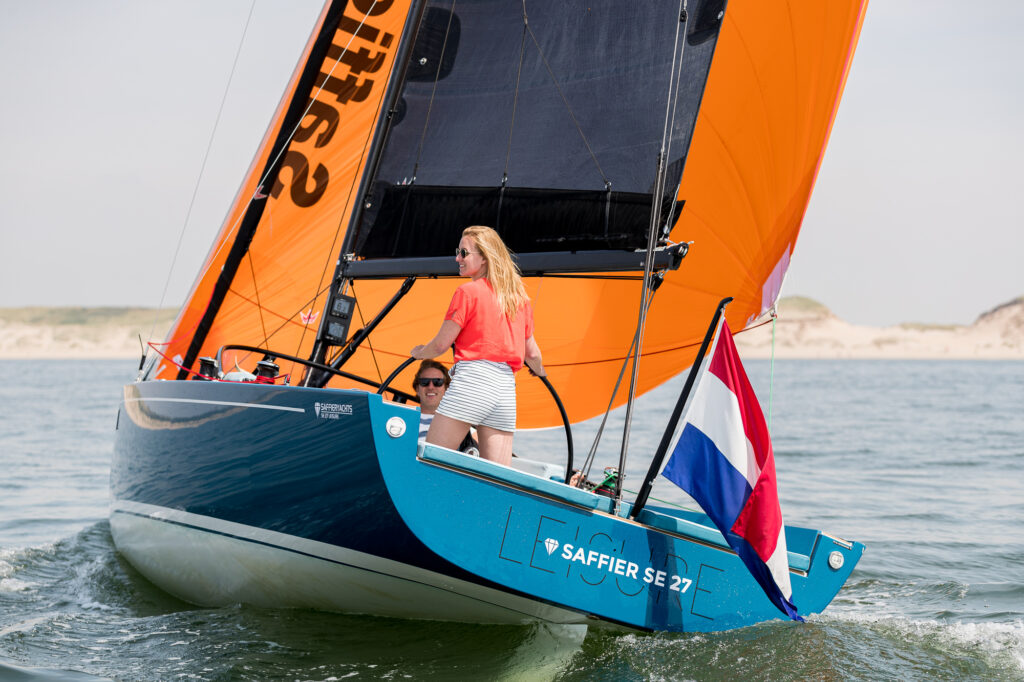
Daysailers (Saffier Range)
Smaller daysailers like the Saffier models represent the most affordable yacht ownership experience. With seasonal mooring costs of fifteen hundred to three thousand dollars, minimal winter storage needs, lower insurance premiums of eight hundred to fifteen hundred dollars annually, and simple systems requiring less maintenance, annual costs might total five thousand to ten thousand dollars for a well-maintained daysailer.
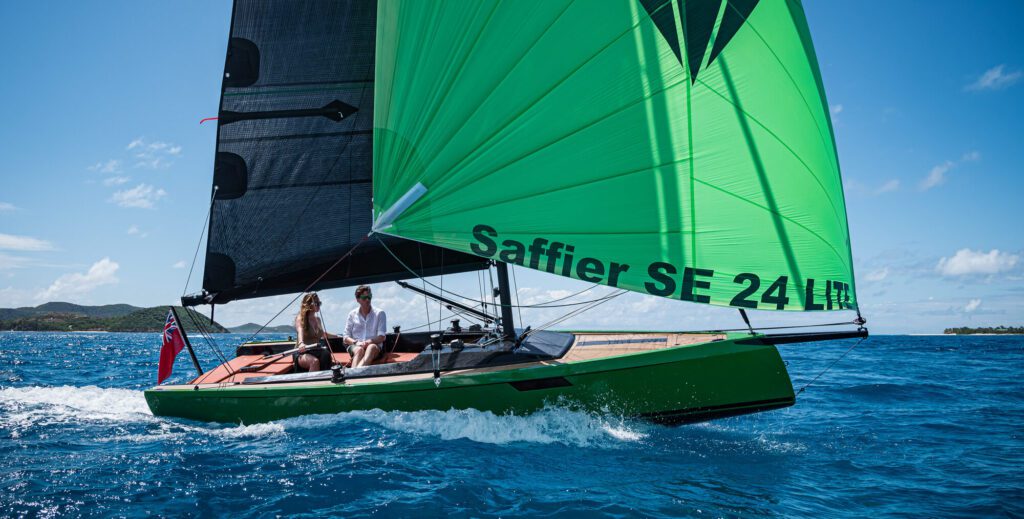
Mid-Size Cruising Monohulls (Jeanneau 35-45 feet)
Popular cruising yachts in this range balance capability with manageable costs. Expect seasonal slip or mooring costs of four thousand to ten thousand dollars, winter storage and maintenance of four thousand to seven thousand dollars, insurance of two thousand to four thousand dollars, routine maintenance of three thousand to six thousand dollars, and fuel and operating costs of fifteen hundred to three thousand dollars. Total annual costs typically range from fifteen thousand to thirty thousand dollars.
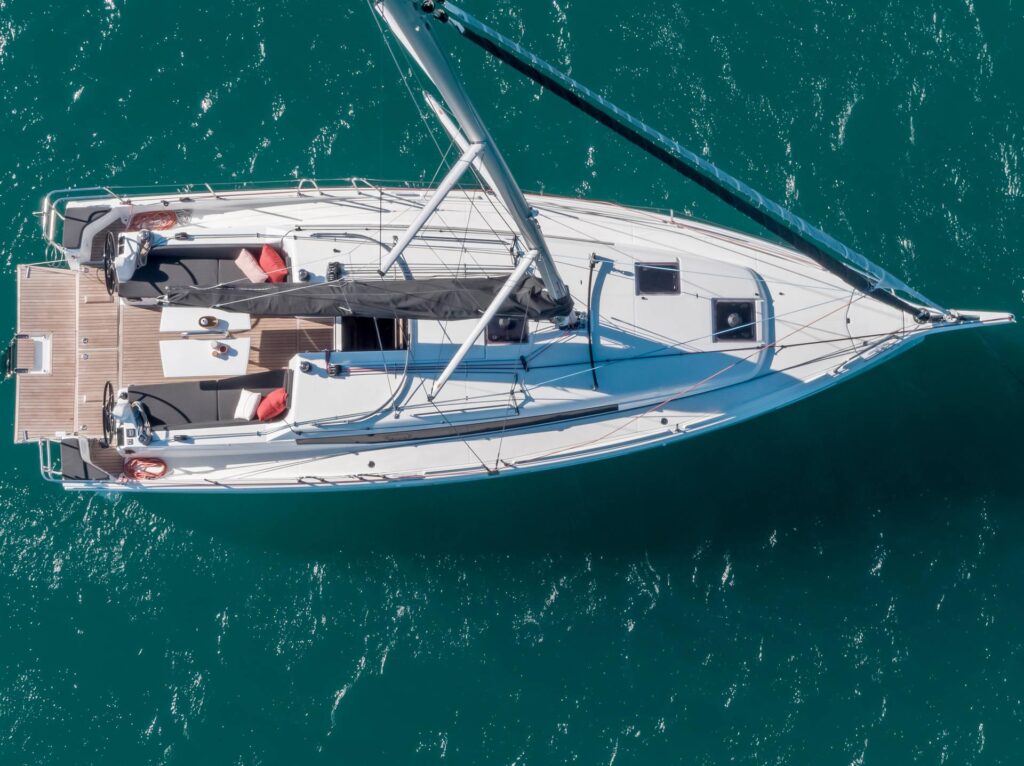
Performance Sailing Yachts (Italia Range)
High-performance yachts like the Italia range may have slightly higher costs due to more sophisticated systems and equipment. Racing programs add expenses for sails, rigging, and competition fees. Annual costs might range from twenty thousand to forty thousand dollars depending on usage and racing involvement.
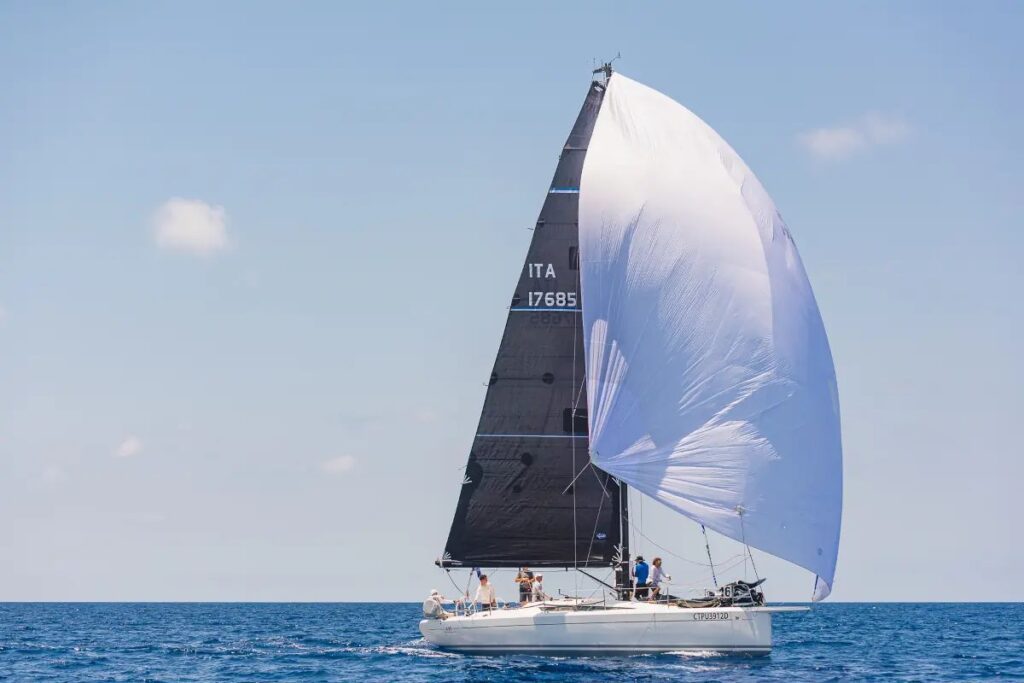
Cruising Catamarans (Excess Range)
Catamarans offer spacious living but typically cost more to maintain than comparable monohulls. Higher storage costs due to beam (potentially six thousand to ten thousand dollars), increased insurance premiums (three thousand to six thousand dollars), twin-engine maintenance, and larger surface areas requiring more bottom paint contribute to annual costs of twenty-five thousand to fifty thousand dollars for a forty to fifty-foot catamaran.
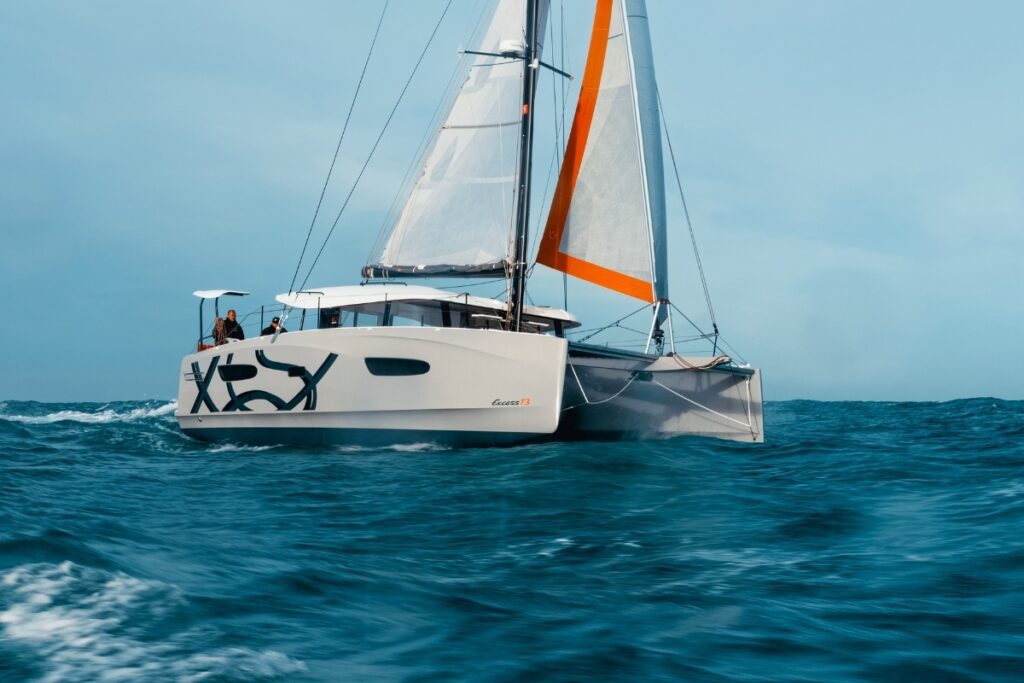
Luxury Custom Yachts (CNB Range)
Premium custom yachts like the CNB range represent the highest level of yacht ownership. Sophisticated systems, larger size, and luxury appointments mean higher maintenance costs. Annual operating expenses can range from forty thousand to one hundred thousand dollars or more, depending on yacht size and usage patterns.
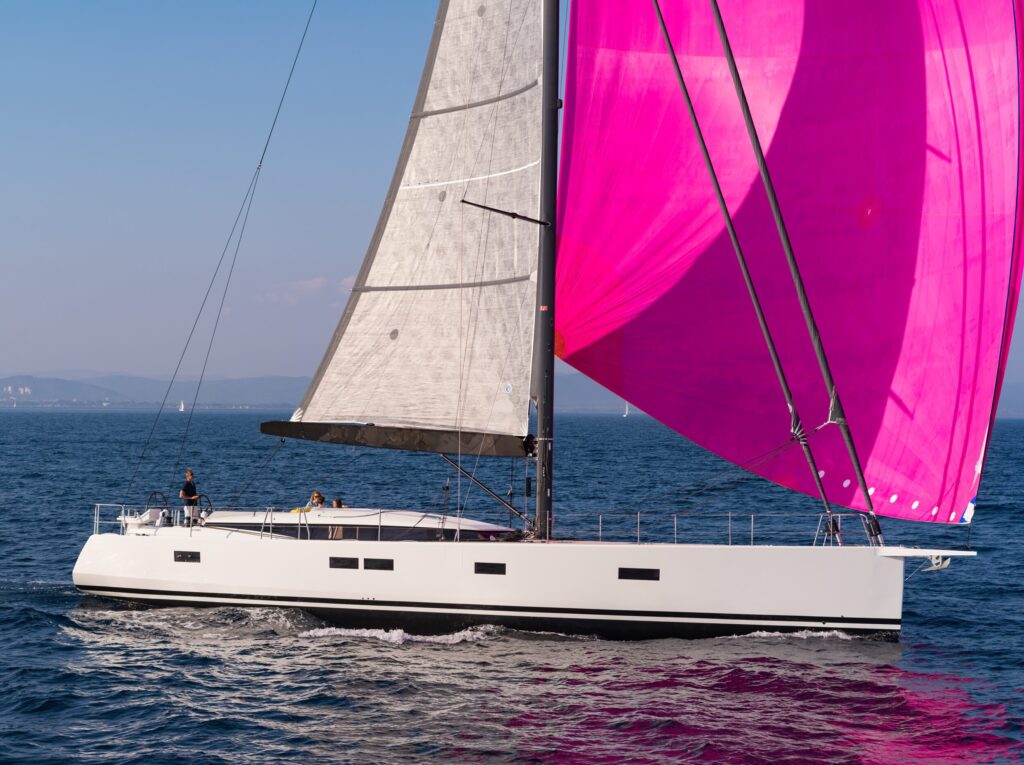
Power Yachts (De Antonio Range)
Stylish day boats like the De Antonio range have different cost profiles. Lower rigging and sail maintenance, but significantly higher fuel costs, similar insurance and storage costs, and engine maintenance for powerful outboards or inboards contribute to annual costs of ten thousand to twenty-five thousand dollars depending on usage.
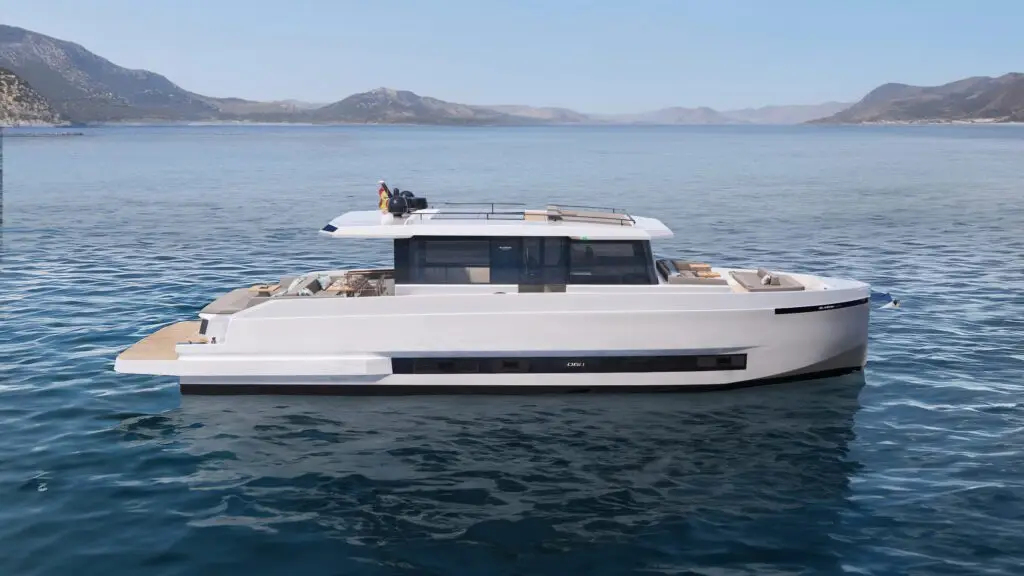
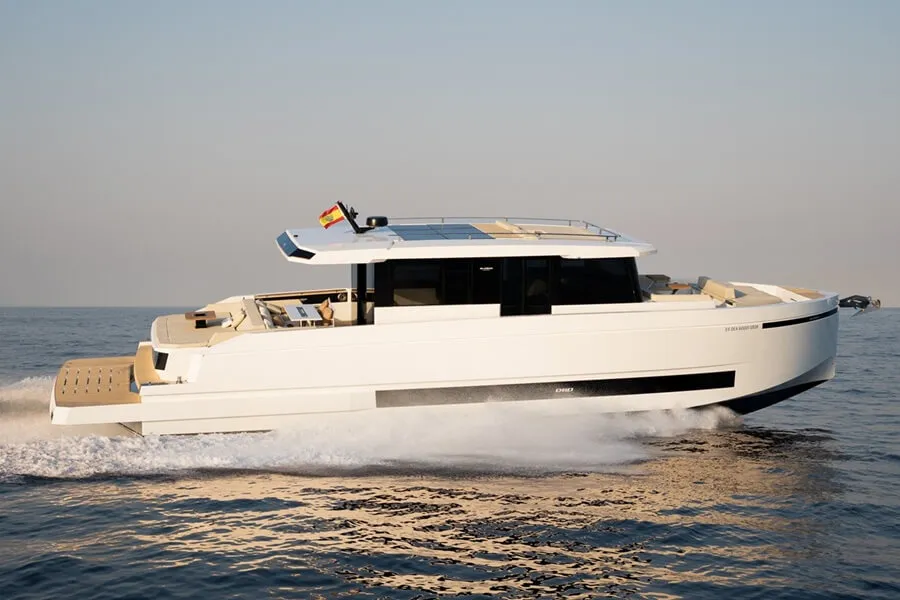
The D50 showcases De Antonio’s larger luxury offerings with signature design elements
Ways to Reduce Ownership Costs
Do-It-Yourself Maintenance
Learning to perform routine maintenance yourself can save thousands annually. Many yacht owners handle bottom cleaning, basic engine maintenance, winterization, and simple repairs. This requires time and willingness to learn, but the savings are substantial.
Off-Season and Advance Planning
Scheduling maintenance during the off-season often results in better rates and availability. Planning ahead for haul-outs, storage, and major projects can reduce costs and ensure work is completed when you need it.
Proper Preventive Maintenance
Staying ahead of maintenance prevents small issues from becoming expensive repairs. Regular engine service, proper winterization, and addressing problems promptly saves money long-term and preserves your yacht’s value.
Smart Upgrades
Prioritize upgrades that improve efficiency or reduce ongoing costs. LED lighting reduces power consumption, quality bottom paint lasts longer, and proper ventilation prevents moisture damage. These investments pay dividends over time.
The Value Proposition
While yacht ownership involves significant ongoing costs, it’s important to consider the value received. Unlimited access to your yacht for weekend getaways, extended cruises, and spontaneous adventures, family memories and quality time on the water, physical and mental health benefits of time spent outdoors, potential for charter income (with proper setup and management), and the pride and satisfaction of yacht ownership all contribute to the overall value proposition.
Many yacht owners find that the cost per use, especially with frequent enjoyment, compares favorably to other vacation and recreation expenses. A family that uses their yacht every weekend throughout the season is getting tremendous value from their investment.
Financing Considerations
When evaluating total ownership costs, factor in your loan payment if financing. A typical marine loan on a three hundred thousand dollar yacht with twenty percent down might have monthly payments of fifteen hundred to two thousand dollars (depending on term and rate), adding eighteen thousand to twenty-four thousand dollars to annual costs.
However, financing allows you to enjoy yacht ownership now rather than waiting years to save the full purchase price. Many owners find this trade-off worthwhile, especially given the lifestyle benefits of yacht ownership during prime years.
Working with Bluenose Yachts
At Bluenose Yachts, we provide transparent guidance about all aspects of yacht ownership costs. We want our clients to enjoy their yachts without financial stress, which means helping you understand and budget for ongoing expenses from the beginning.
Whether you’re considering a nimble Saffier daysailer perfect for weekend sailing, a spacious Excess Catamaran ideal for extended family cruising, a high-performance Italia yacht for serious sailing, an elegant Jeanneau cruiser balancing comfort and capability, a stylish De Antonio day boat for entertaining, a custom CNB luxury yacht representing the pinnacle of sailing excellence, or a versatile Pegasus model, we’ll help you understand the realistic costs of ownership for your specific situation.
We can also connect you with service providers, insurance specialists, and marina contacts throughout New England to help you find the best value for ongoing services.
Making an Informed Decision
Understanding the complete picture of yacht ownership costs allows you to make confident decisions aligned with your budget and lifestyle goals. While the ongoing expenses are real and significant, they’re also predictable and manageable with proper planning.
The key is honest assessment of your budget, realistic expectations about usage patterns, willingness to handle some maintenance yourself, and commitment to proper care and preventive maintenance. With these elements in place, yacht ownership becomes a sustainable, enjoyable part of your lifestyle rather than a financial burden.
Remember that yacht ownership is an investment in experiences, memories, and lifestyle. While it’s important to understand and budget for costs, don’t let them prevent you from exploring the possibilities. Many of our happiest clients at Bluenose Yachts initially had concerns about ongoing costs, only to discover that with proper planning and realistic budgeting, yacht ownership fit comfortably into their lives.
Want to understand the true cost of yacht ownership before you buy? The knowledgeable team at Bluenose Yachts provides transparent guidance on all aspects of yacht ownership costs, helping you budget realistically and avoid surprises. We’ll walk you through New England-specific expenses like dockage, winter storage, and seasonal maintenance so you can enjoy yacht ownership with confidence. Contact Bluenose Yachts today for honest conversations about yacht ownership costs and to explore yachts that fit your budget. Call us or visit our Newport showroom—we’re here to help you make informed decisions!