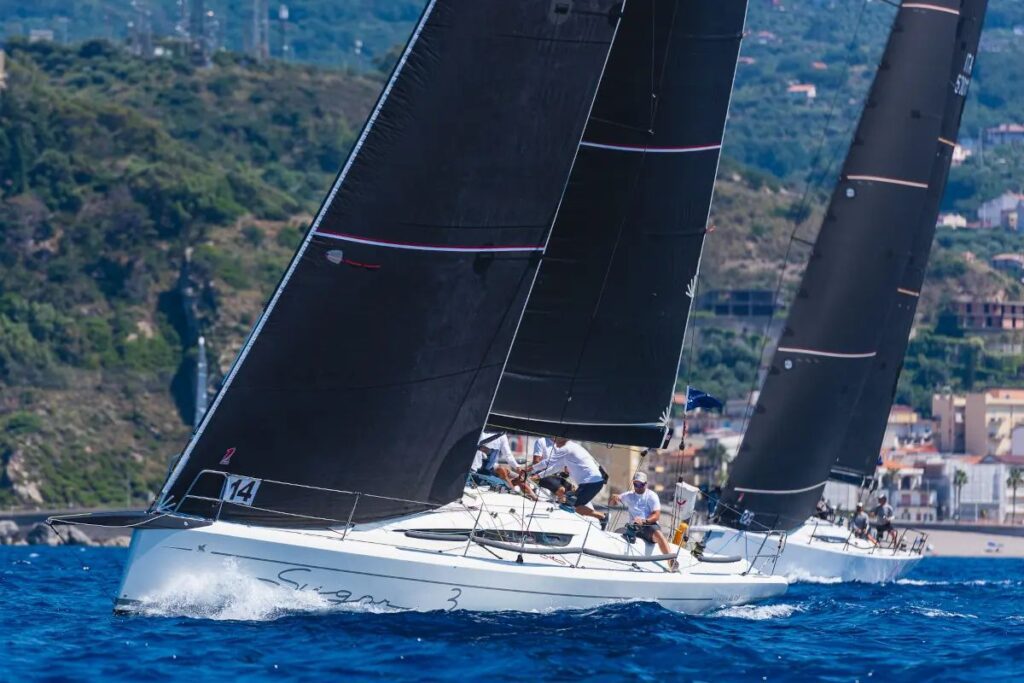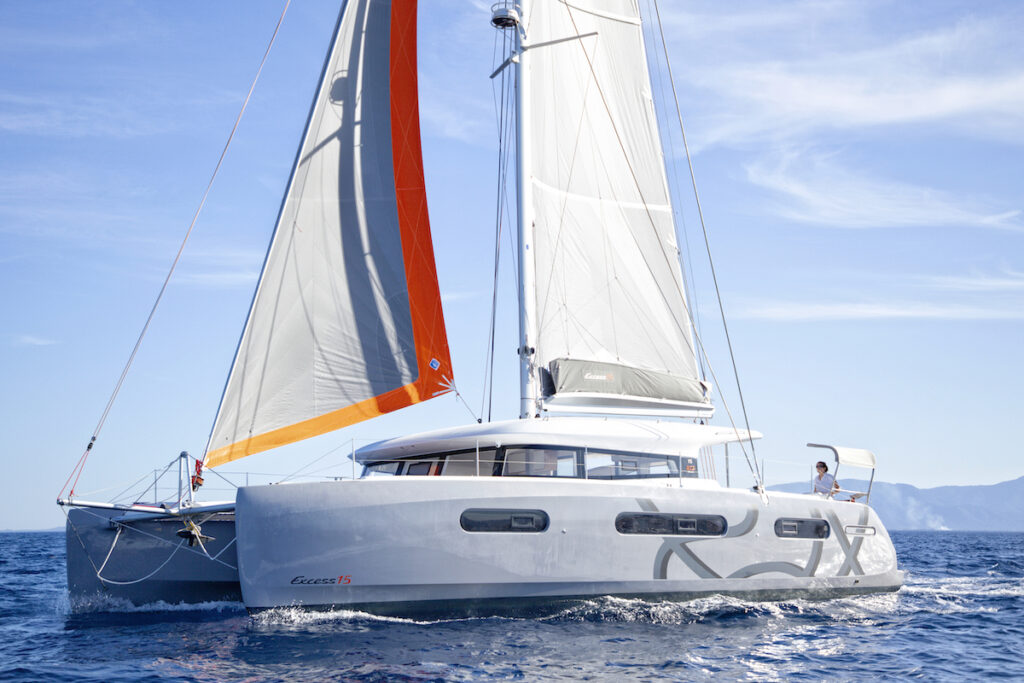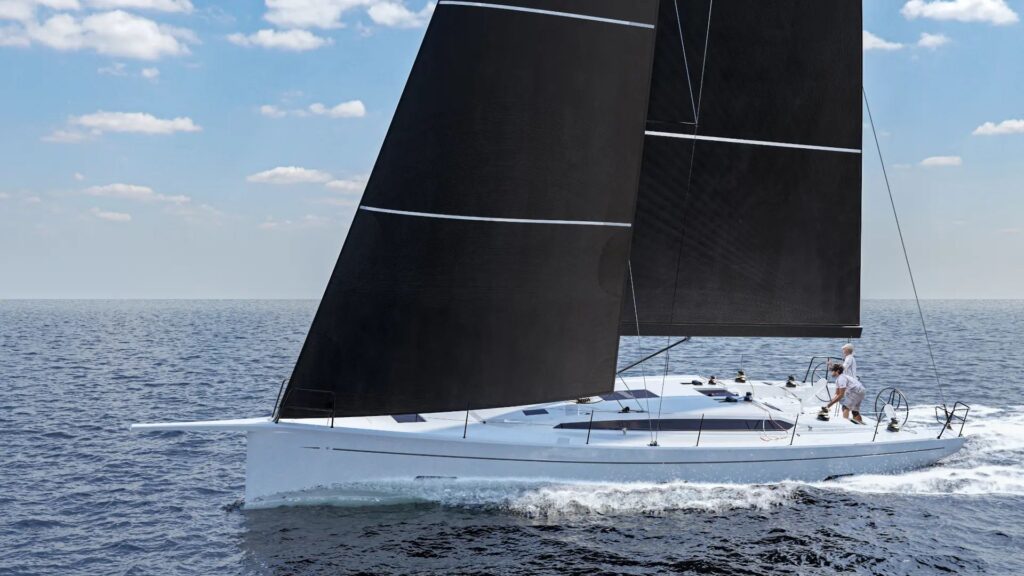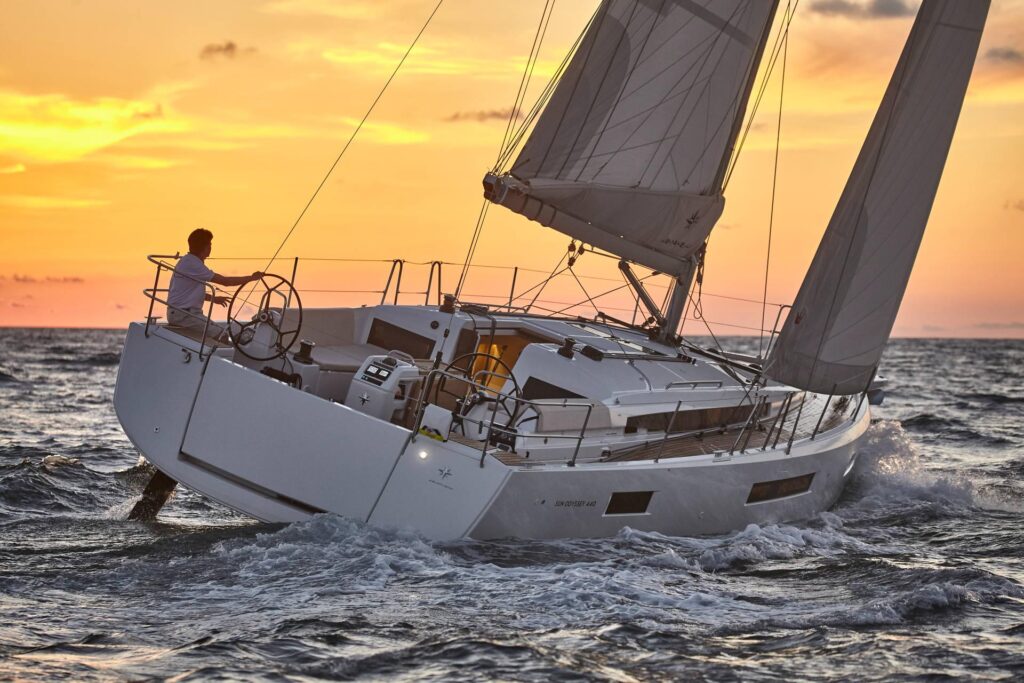
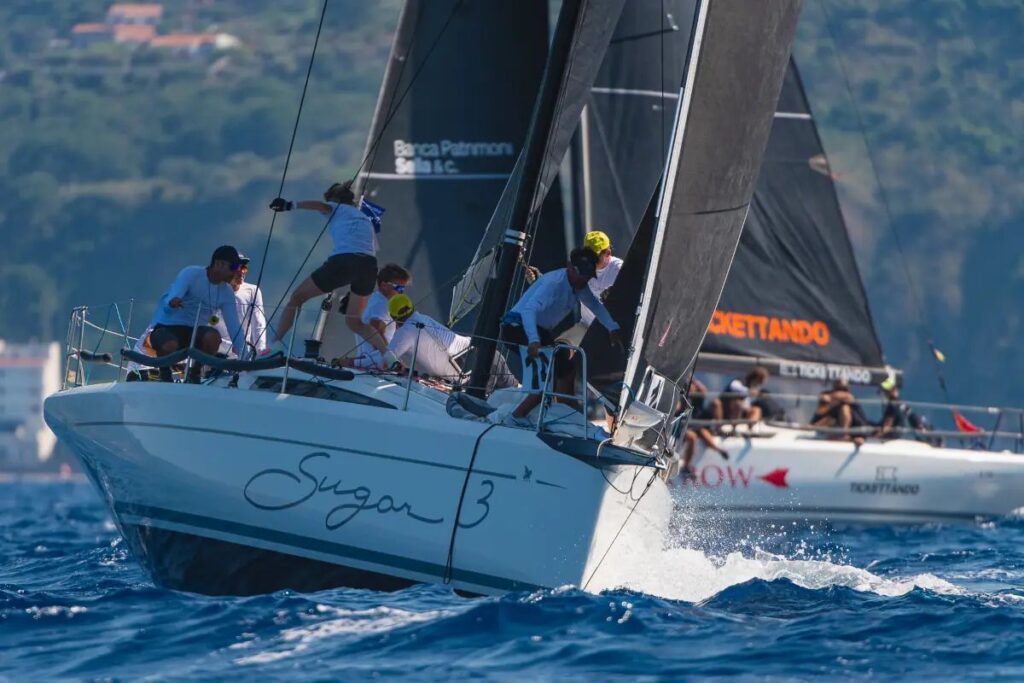
One of the reasons I’ve always found the term racer/cruiser so interesting is that the best examples rarely feel compromised.
The truly successful boats in this category don’t feel like cruising boats that were made faster, or race boats that had interiors added afterward. They feel coherent from the beginning.
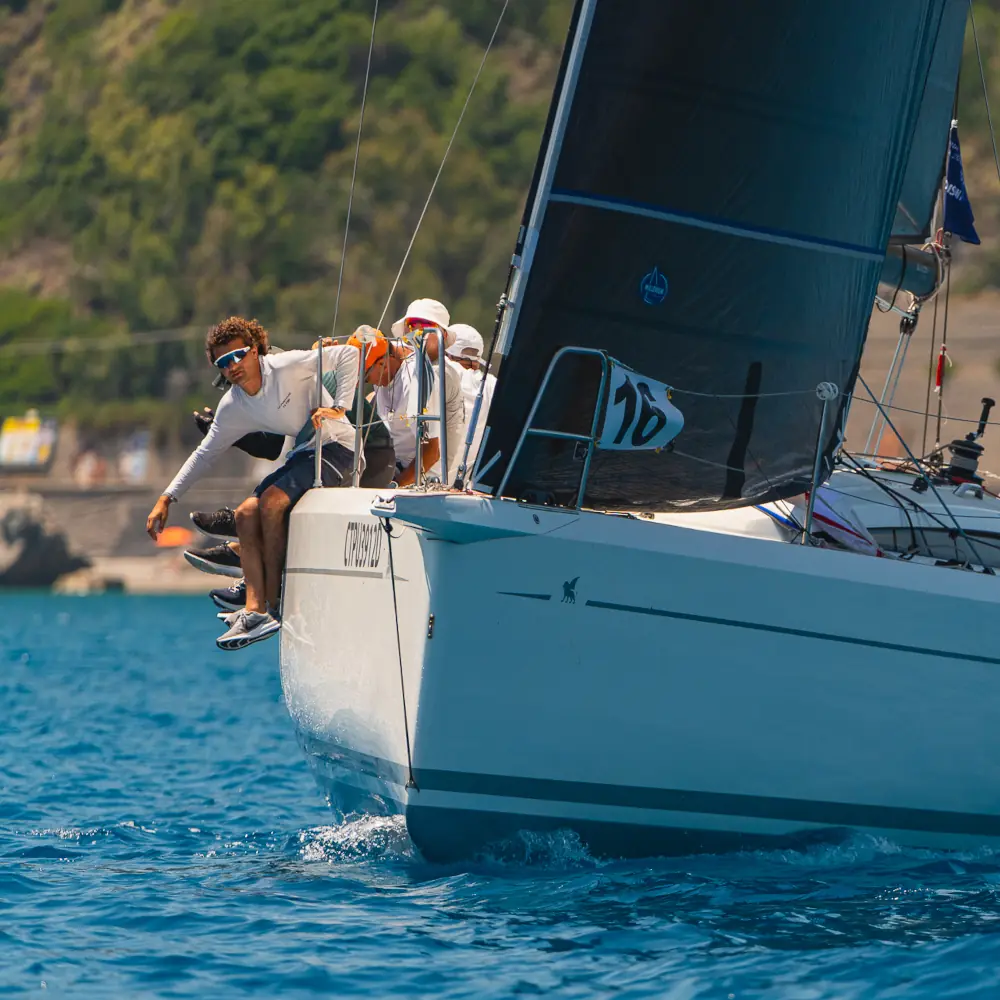
When you look at the Italia Yachts 11.98, what stands out is not just speed or comfort independently, but the way the underlying design philosophy ties everything together.
Recently, Marjaliisa Umb—Sales Director at Italia Yachts and an ORC Worlds winner aboard an Italia 11.98—described it this way:
“The ‘magic’ is in designing a hull that is efficient across a wide range of conditions, then carefully controlling weight, balance, and ergonomics so you can push performance or comfort without ruining the other. It’s less about compromise and more about starting from a very refined, high-performance baseline.”
I think that distinction is important.
For decades, racer/cruiser design was often approached as a balancing act between competing priorities: displacement versus comfort, sail area versus manageability, speed versus livability.
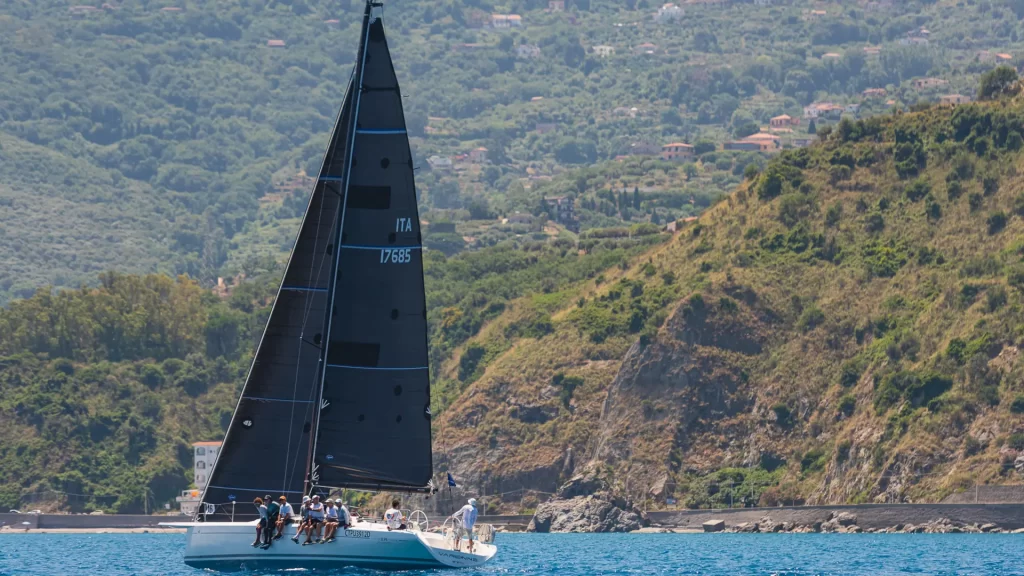
But the best modern designs seem to approach the problem differently. Instead of treating these characteristics as opposing forces, they attempt to integrate them from the outset.
Marjaliisa expanded on this idea in a way I found particularly insightful:
“We think that the success of the IY 9.98 and IY 11.98 models lies in the careful integration of hull efficiency, balanced sail power and intelligent optimization within the ORC rating system. Their low-drag hull and advanced features make them particularly competitive in light to medium winds, where acceleration and momentum are critical. At the same time, the platform is powerful yet controllable, allowing sailors to achieve performance without overloading the boat. What truly sets them apart is how these elements work seamlessly together, rather than as separate features.”
That last point resonates with me most.
A successful racer/cruiser is not simply a collection of desirable attributes. Hull shape, stability, sail-carrying power, ergonomics, structural design, and rating efficiency all have to reinforce one another. If even one of those elements feels disconnected, the boat often feels conflicted as well.
And perhaps that is the real challenge in modern yacht design: not maximizing a single characteristic, but designing a platform that remains efficient, controllable, comfortable, and rewarding across an enormous range of conditions and uses.