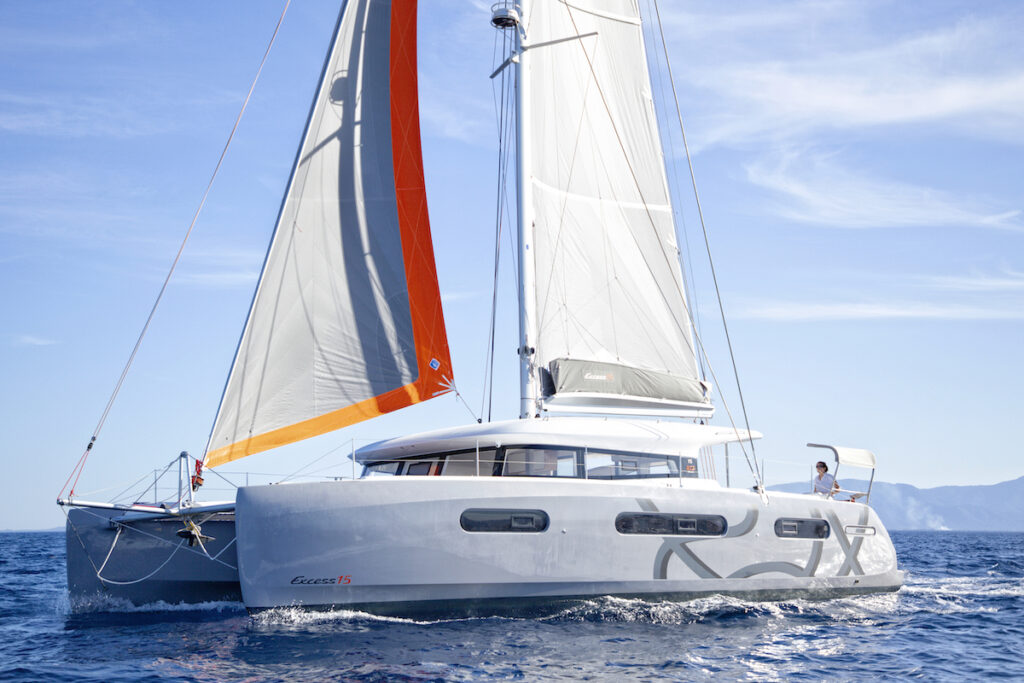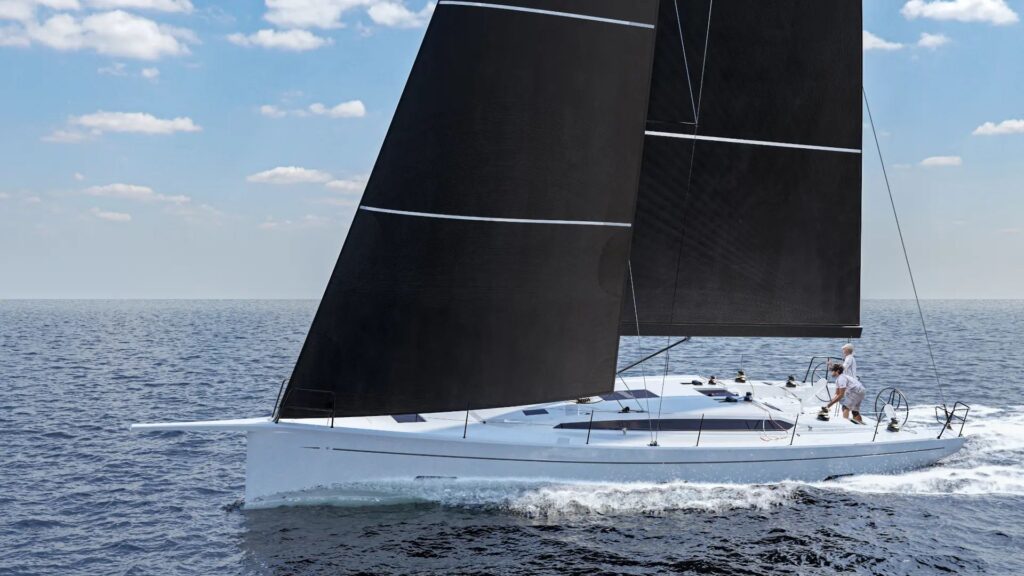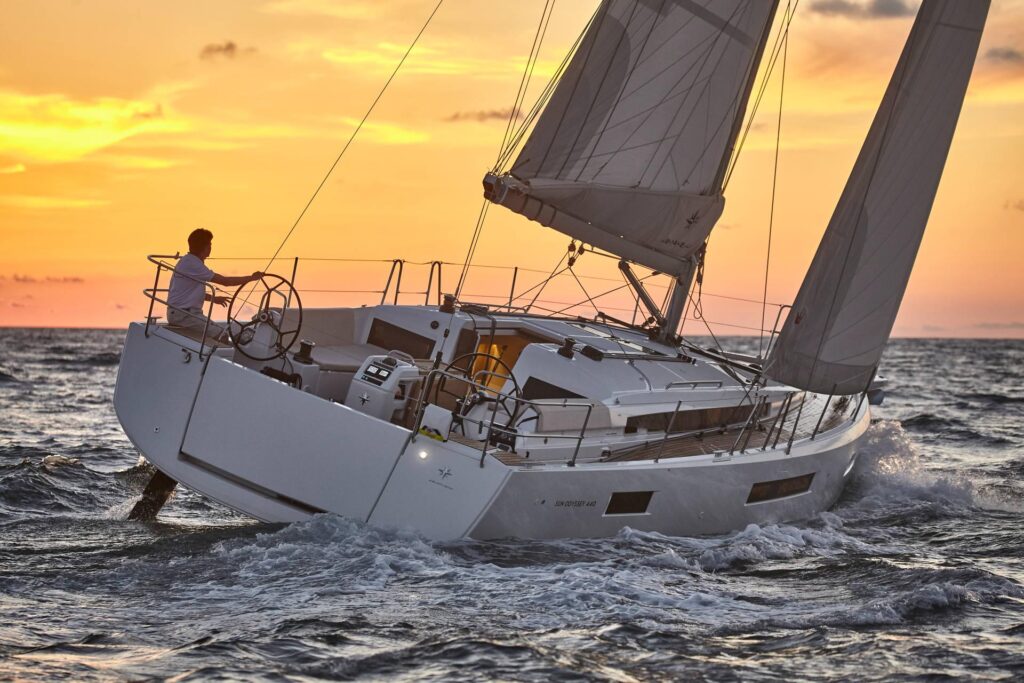
Purchasing a yacht is one of the most exciting investments you’ll ever make, but it’s also one that requires careful due diligence. Whether you’re considering a sleek Jeanneau Sun Odyssey, a performance-driven Italia Yacht, or a luxurious Excess Catamaran, a thorough pre-purchase survey is your most important tool for making an informed buying decision.
At Bluenose Yachts, we guide buyers through every step of the yacht purchase process, and we cannot overstate the importance of a professional marine survey. This comprehensive guide will help you understand what to expect, what to look for, and how to navigate the survey process with confidence.
What Is a Pre-Purchase Yacht Survey?
A pre-purchase yacht survey is a comprehensive inspection conducted by a qualified marine surveyor who evaluates the condition, safety, and value of a vessel. Think of it as a home inspection for boats—it’s designed to identify any existing problems, potential issues, and safety concerns before you finalize your purchase.
For New England buyers, this step is particularly critical. Our harsh winters, saltwater exposure, and demanding coastal conditions can take a toll on vessels, making a thorough survey essential whether you’re buying new or pre-owned.
Types of Marine Surveys
Condition and Valuation Survey (C&V)
This is the most common type of pre-purchase survey. A C&V survey provides a detailed assessment of the yacht’s overall condition, including the hull, deck, rigging, mechanical systems, electrical systems, and safety equipment. The surveyor will also provide a fair market valuation, which is essential for financing and insurance purposes.
Hull Survey
A hull survey focuses specifically on the structural integrity of the vessel. For fiberglass yachts like the Saffier range or CNB luxury sailing yachts, this includes checking for blisters, delamination, stress cracks, and previous repair work. The surveyor may use moisture meters and other specialized equipment to detect hidden problems.
Mechanical Survey
Often conducted by a separate marine mechanic or engine surveyor, this inspection evaluates all mechanical systems including engines, generators, pumps, and propulsion systems. This is particularly important for power yachts like the De Antonio day boats or when evaluating the twin-engine setup on an Excess Catamaran.
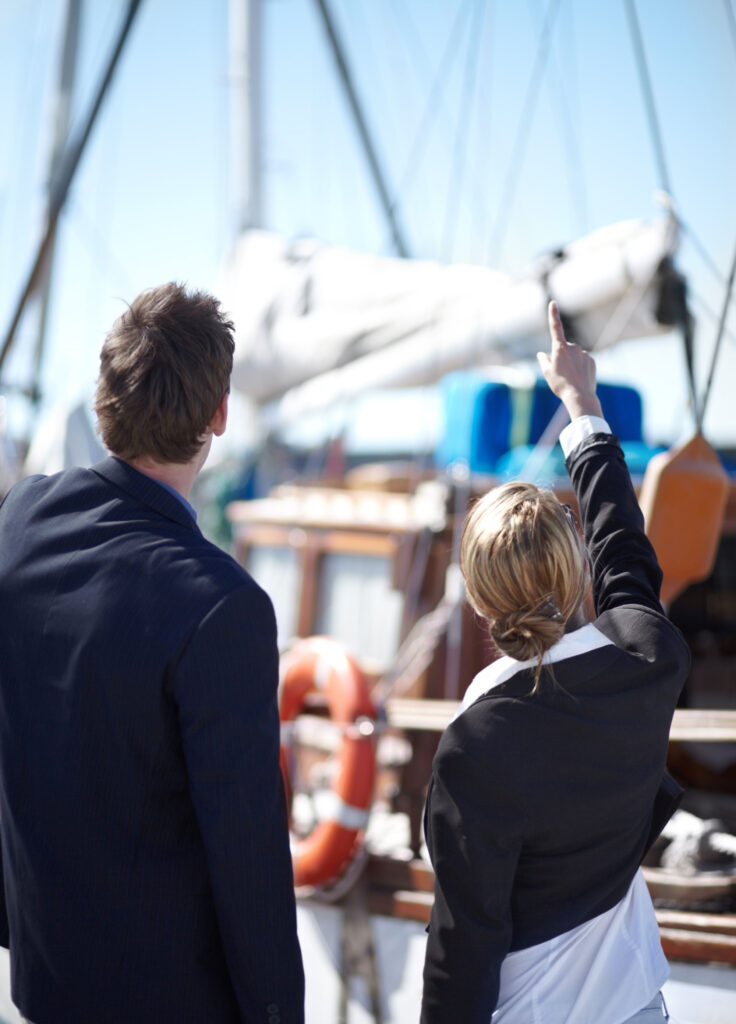
The Survey Process: What to Expect
Step 1: Hiring a Qualified Surveyor
Choose a surveyor who is accredited by organizations like the Society of Accredited Marine Surveyors (SAMS) or the National Association of Marine Surveyors (NAMS). Your surveyor should have specific experience with the type of vessel you’re purchasing. For example, catamaran surveys require different expertise than monohull inspections.
At Bluenose Yachts, we can recommend trusted marine surveyors who are familiar with the premium yacht brands we represent and understand the unique considerations of New England waters.
Step 2: Scheduling the Survey
Surveys are typically conducted after you’ve made an offer contingent on a satisfactory survey. The process usually takes 4-8 hours depending on the size and complexity of the vessel. Plan to be present during the survey—it’s an invaluable learning experience and allows you to ask questions directly.
Step 3: In-Water and Out-of-Water Inspection
A comprehensive survey includes both in-water and out-of-water (haul-out) inspections. The in-water portion covers systems testing, sea trial evaluation, and operational checks. The haul-out allows the surveyor to inspect the hull bottom, through-hulls, running gear, and underwater fittings—areas that are impossible to properly evaluate while the yacht is in the water.
Step 4: Sea Trial
The sea trial is a critical component where the surveyor evaluates the yacht’s performance under actual operating conditions. This includes testing engine performance, steering systems, sail handling (for sailing yachts like the performance-oriented Italia Yachts or the elegant Jeanneau models), and all onboard systems.
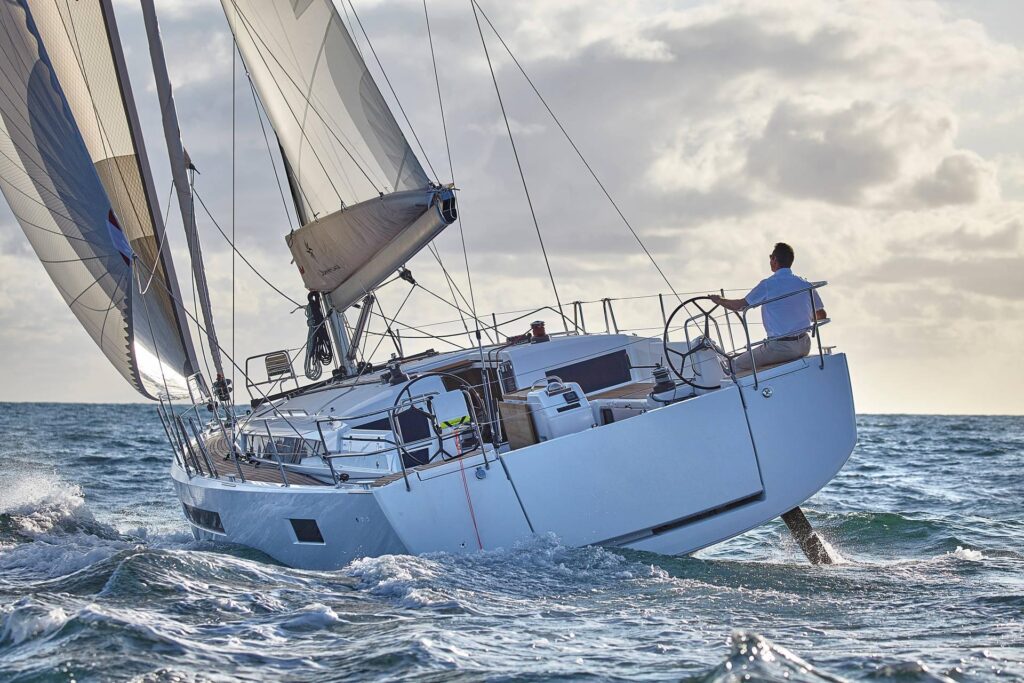
Key Areas Surveyors Evaluate
Hull and Deck Structure
The surveyor will carefully inspect the hull for signs of damage, stress, previous repairs, and structural integrity. For modern yachts like the Saffier range, known for their exceptional Dutch craftsmanship, surveyors look for the quality of construction and any deviations from factory standards. Deck inspections include checking for soft spots, core damage, and the condition of deck hardware and fittings.
Rigging and Sails (Sailing Yachts)
For sailing yachts, the surveyor will inspect standing and running rigging, mast condition, sail inventory, and all related hardware. This is particularly important for performance yachts like the CNB range or Italia Yachts, where rigging integrity directly impacts both safety and sailing performance.
Mechanical Systems
All mechanical systems receive thorough evaluation including engines, transmissions, generators, pumps, steering systems, and propulsion components. Modern yachts like the Excess Catamarans feature sophisticated systems that require expert assessment to ensure everything functions as designed.
 Electrical Systems
Electrical systems are inspected for proper installation, adequate capacity, safety compliance, and functionality. This includes batteries, charging systems, shore power connections, AC and DC panels, and all electrical equipment. For feature-rich yachts like the De Antonio models with extensive electronics, this portion of the survey is particularly detailed.
Plumbing and Through-Hulls
All through-hull fittings, seacocks, hoses, and plumbing systems are evaluated for condition, proper installation, and functionality. In New England’s freeze-thaw climate, these systems require special attention to ensure they’ve been properly maintained and winterized.
Safety Equipment
The surveyor will inventory and assess all safety equipment including life jackets, flares, fire extinguishers, bilge pumps, and navigation lights to ensure they meet Coast Guard requirements and are in serviceable condition.
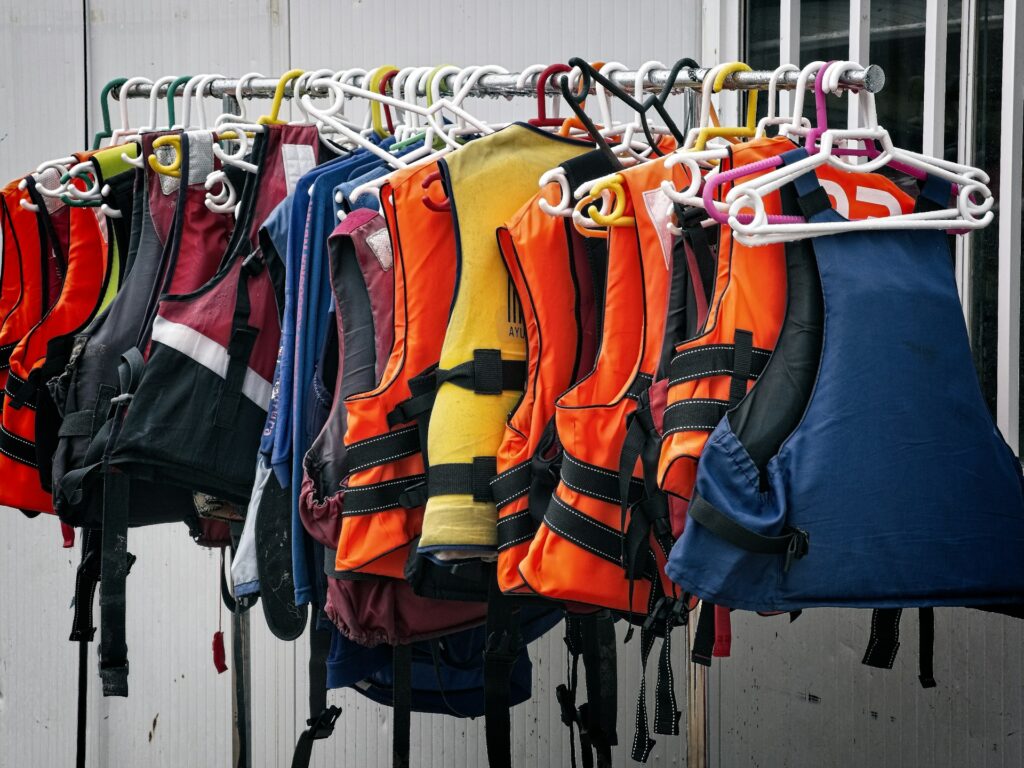
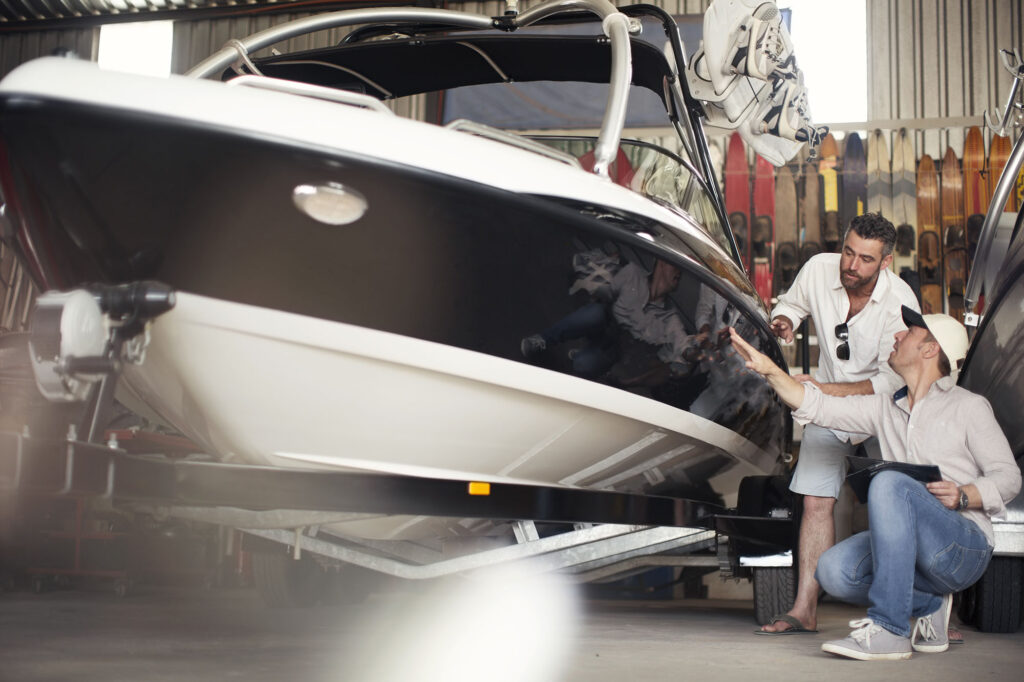
Photo by Miguel A. Amutio on Unsplash
Red Flags: What Should Concern You
Structural Issues
Significant hull damage, extensive blistering, delamination, or evidence of major collision damage are serious concerns that may indicate the yacht has been compromised or will require expensive repairs.
Engine Problems
Low compression, excessive smoke, unusual noises, oil leaks, or poor performance during sea trials can signal expensive engine work ahead. For newer yachts like those in the Jeanneau or Pegasus lines, major engine issues are less common but should be thoroughly investigated if discovered.
Electrical System Deficiencies
Improper wiring, inadequate capacity, corroded connections, or non-compliant installations pose both safety risks and expensive repair bills. Modern yachts have complex electrical systems that must be properly installed and maintained.
Evidence of Poor Maintenance
Deferred maintenance is one of the biggest red flags. Signs include corroded hardware, worn running rigging, neglected engine service, dirty bilges, and general lack of care. A well-maintained yacht—whether it’s a classic design or a modern Excess Catamaran—will show evidence of regular attention and proper care.
Moisture in Cored Decks or Hull
Excessive moisture readings in cored composite structures can indicate water intrusion, which leads to expensive and extensive repairs. This is particularly important to check in New England yachts that have experienced harsh weather conditions.
Understanding the Survey Report
Within a few days of the survey, you’ll receive a detailed written report. This document typically includes:
- Executive summary of findings
- Detailed descriptions of all systems and components
- Photographs documenting conditions and concerns
- List of recommendations categorized by priority
- Fair market valuation
- Safety recommendations
Survey reports often categorize issues as immediate safety concerns, items requiring attention before use, recommended repairs or upgrades, and routine maintenance items. Understanding these categories helps you prioritize and negotiate effectively.
Using Survey Results in Negotiations
The survey report is a powerful negotiating tool. If significant issues are discovered, you have several options:
Request Repairs: Ask the seller to address specific issues before closing. This works well for clearly defined problems that can be quickly resolved.
Negotiate Price Reduction: Request a price adjustment that reflects the cost of necessary repairs. Get estimates from qualified marine professionals to support your negotiation.
Walk Away: If the survey reveals major structural issues, hidden damage, or problems that make the yacht unsuitable for your needs, your contingency clause allows you to withdraw from the purchase.
Accept As-Is: For minor issues or cosmetic concerns, you may choose to proceed with the purchase and address items yourself after closing.
New Yacht Considerations
Even when purchasing a brand-new yacht from Bluenose Yachts—whether it’s a stunning Saffier daysailer, a luxurious CNB custom yacht, or a cutting-edge Excess Catamaran—many buyers still opt for a pre-delivery inspection. While manufacturing defects are rare with the premium brands we represent, a professional inspection ensures everything is properly commissioned and functioning as designed before you take delivery.
For new yachts, the inspection focuses on verifying that all systems are properly installed, all equipment is present and operational, and the yacht meets the specifications outlined in your purchase agreement.
Survey Costs and Budgeting
Marine survey costs vary based on yacht size, type, and location, but typically range from fifteen to twenty dollars per foot for a comprehensive condition and valuation survey. A 40-foot yacht might cost between six hundred and one thousand dollars to survey, while larger vessels or catamarans may cost more due to their complexity and size.
While this might seem expensive, it’s a small investment compared to the cost of undiscovered problems. A thorough survey can save you tens of thousands of dollars by identifying issues before you commit to the purchase.
New England-Specific Considerations
Buying a yacht in New England requires special attention to certain factors:
Winterization History: Verify that the yacht has been properly winterized each season. Freeze damage to engines, plumbing, and systems is expensive and sometimes difficult to detect without expert evaluation.
Saltwater Exposure: New England’s saltwater environment is tough on yachts. Pay special attention to corrosion, especially on through-hulls, underwater metals, and electrical connections.
Storm Damage: Our region experiences nor’easters and occasional hurricanes. Ensure the surveyor checks for evidence of storm damage or stress from severe weather events.
Maintenance Records: New England’s short boating season means proper off-season maintenance is critical. Request complete maintenance records to verify the yacht has received appropriate care.
Working with Bluenose Yachts
At Bluenose Yachts, we believe an informed buyer is a happy owner. We encourage all our clients to conduct thorough pre-purchase surveys and we facilitate the process by:
- Recommending qualified, experienced marine surveyors
- Coordinating survey scheduling and haul-out arrangements
- Providing complete maintenance records and documentation
- Being transparent about any known issues or repairs
- Assisting with interpretation of survey findings
- Working collaboratively to address legitimate concerns
Whether you’re purchasing a nimble Saffier daysailer, a spacious Excess Catamaran perfect for family cruising, a sophisticated Italia performance yacht, an elegant Jeanneau cruiser, a stylish De Antonio day boat, a custom CNB luxury yacht, or a versatile Pegasus model, we’re committed to ensuring you have all the information you need to make a confident decision.
Final Thoughts
A pre-purchase yacht survey is not just a formality—it’s an essential step in the yacht buying process that protects your investment and ensures your safety on the water. The relatively small cost of a professional survey provides invaluable peace of mind and can save you from expensive surprises down the road.
Remember, no yacht is perfect, and even well-maintained vessels will have some survey findings. The key is understanding which issues are significant and which are routine. Working with experienced professionals—both your surveyor and the team at Bluenose Yachts—ensures you have the expertise and guidance to make the right decision for your boating dreams.
Ready to find your perfect yacht with confidence? The experienced team at Bluenose Yachts guides buyers through every step of the purchase process, including connecting you with trusted marine surveyors and interpreting survey results. With decades of experience in the New England yacht market, we’ll help you make an informed decision and avoid costly surprises. Contact Bluenose Yachts today to discuss your yacht search. Call us or visit our Newport showroom to explore our current inventory and start your yacht ownership journey with expert guidance every step of the way!