

Yacht ownership changes over time.
The boat that was perfect five years ago may now feel too large, too small, too demanding, or simply mismatched with the way you spend your time on the water. Your family may have changed. Your cruising plans may be different. Or you may find yourself looking at other yachts more often than planning the next trip aboard your own.
That does not automatically mean you should sell.
A well-maintained yacht can provide years of enjoyment, and replacing it simply because something newer has caught your attention may not improve your ownership experience. On the other hand, holding onto a yacht that no longer fits your life can mean continuing to spend time and money on an asset you are using less and enjoying less.
So, when is it time to sell your yacht?
There is no single trigger. The better question is whether your current yacht still supports the boating life you want—and whether the money, time, and attention you are investing in it continue to make sense.
Here are nine signs worth considering.
1. You Are Using Your Yacht Less and Less
Start with the simplest measure: How often are you actually using the yacht?
One quiet season does not necessarily mean anything. Weather, work, family commitments, travel, or a major maintenance project can temporarily reduce your time aboard.
A pattern is different.
If the yacht is launched each season but rarely leaves the dock, or if you consistently find reasons not to use it, ask why.
Perhaps getting the boat ready for a weekend now feels like too much work. Maybe your interests have shifted toward other activities. Perhaps the yacht is located too far from home. Or the vessel may simply no longer suit the type of boating you enjoy.
Usage matters because ownership costs continue whether the yacht is underway or not. Dockage or mooring, insurance, storage, routine maintenance, winterization, commissioning, and system upkeep do not disappear because you used the boat three times instead of thirty.
The question is not whether you are using the yacht enough according to someone else’s standard. It is whether your enjoyment still justifies your level of ownership commitment.
If the answer has been trending toward no for several seasons, selling deserves serious consideration.
2. Your Boating Plans Have Changed

Many owners buy a yacht for a particular vision of boating.
Perhaps the goal was coastal cruising with young children. Maybe it was club racing, extended summer cruising, entertaining friends, fishing, weekend escapes, or eventually spending months aboard.
Life rarely follows the original plan indefinitely.
Children grow up. Work schedules change. Retirement creates more cruising time—or less desire to manage a complex yacht. A couple who once spent weekends racing may now prefer relaxed cruising. An owner who expected to make offshore passages may discover that shorter coastal trips are more enjoyable.
The yacht does not need to have anything wrong with it for it to become the wrong yacht.
This is an important distinction because owners sometimes approach the sell-or-keep decision entirely as a maintenance or financial question. In reality, changing goals may be the strongest reason of all.
Ask yourself: If I were buying a yacht today, knowing how I actually boat now, would I buy this one again?
If the answer is no, it may be time to explore alternatives.
3. You Need More—or Less—Yacht
Moving up is only one form of changing yachts.
Sometimes you need:
- Another cabin
- More entertaining space
- Greater fuel or water capacity
- Better offshore capability
- More storage
- A larger tender
- Different performance characteristics
- More comfortable accommodations for longer trips
But sometimes the right move is to go smaller.
A yacht that once accommodated a large family may now be sailed primarily by one or two people. An owner may decide that easier docking, simpler systems, lower maintenance demands, or the ability to operate without additional crew matters more than maximum space.
Downsizing should not automatically be viewed as giving something up. It can be a deliberate move toward using the boat more often.
Likewise, moving into a larger yacht only makes sense when the additional capability solves an actual need.
Before deciding to sell, write down what your current yacht does well and where it consistently falls short. If the shortcomings are structural to the design rather than things that can reasonably be improved, changing yachts may make more sense than trying to transform the boat you already own.
4. Maintenance Is Starting to Dominate the Ownership Experience
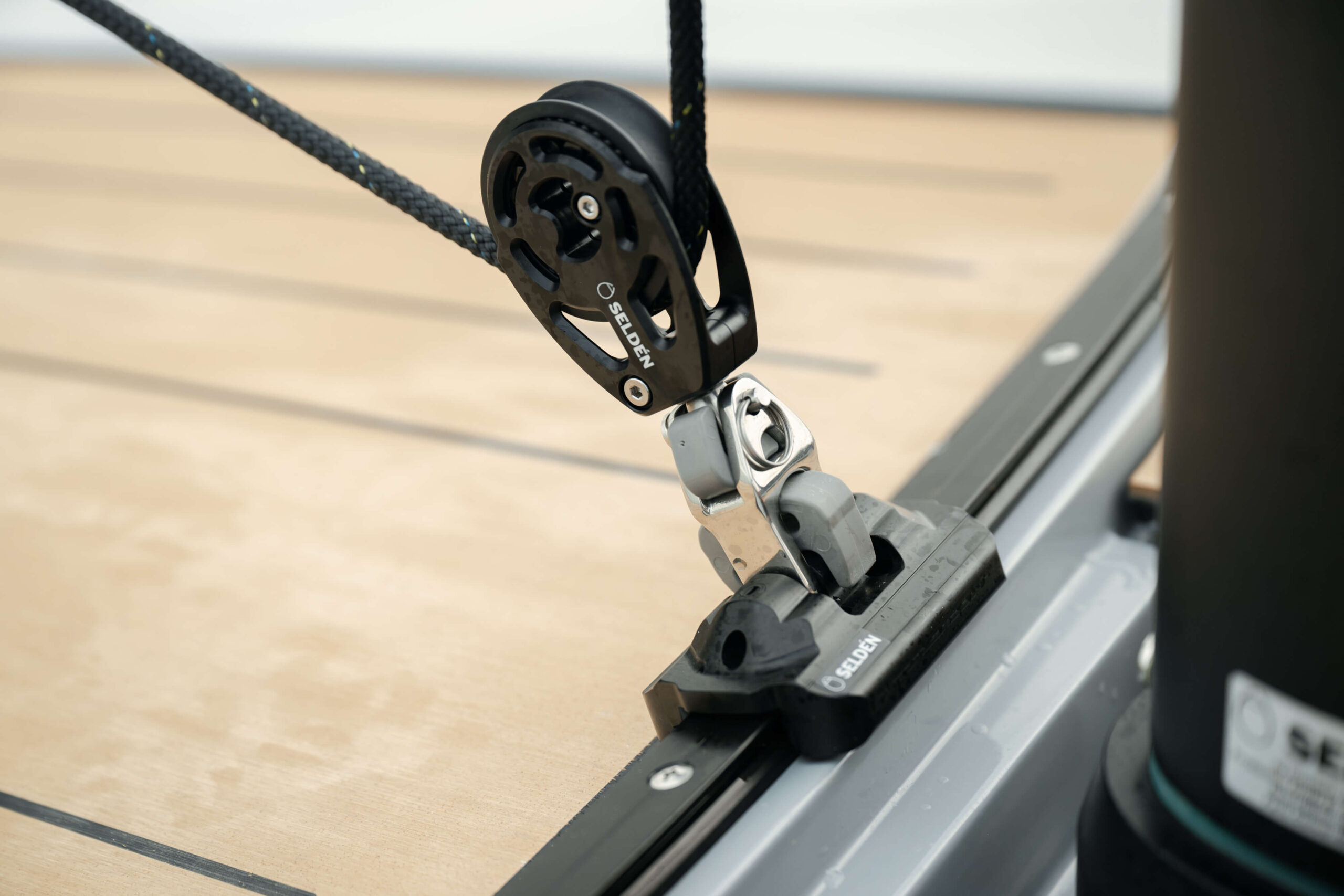
Every yacht requires maintenance.
Routine service, seasonal preparation, cleaning, systems checks, repairs, and replacement of aging equipment are part of ownership. An older yacht can remain an excellent yacht when it has been properly cared for.
The issue is not simply that maintenance exists.
The warning sign is when maintaining the yacht becomes the primary experience of owning it.
Perhaps each planned cruise begins with another repair. Maybe the project list grows faster than you can complete it. You may be spending more weekends working on systems than using them.
That can happen even to an owner who enjoys hands-on maintenance. The balance between maintaining and boating is personal.
It is also worth distinguishing between a temporary maintenance cycle and a long-term mismatch. Replacing standing rigging, renewing electronics, or completing scheduled engine work may create an expensive year without making the yacht unsuitable. But if the vessel is approaching several major projects and you no longer want to invest the time or money required, selling becomes a reasonable alternative to another round of upgrades.
5. A Major Refit Is Approaching—and You Are Not Sure You Want the Result
Sooner or later, many yachts reach a decision point.
Instead of another ordinary service item, the owner may be considering several substantial projects at once:
- Rigging
- Sails
- Electronics
- Engines or generators
- Teak or deck work
- Paint
- Upholstery
- Plumbing
- Electrical systems
- HVAC
- Batteries and charging systems
- Interior refurbishment
The question is not simply, “How much will the refit cost?”
Ask: “If I complete this work, will I still want to own this yacht several years from now?”
If you love the boat, its design still fits your needs, and the work will materially improve your ownership experience, investing in it may make sense.
But if you are considering a large refit mainly because the yacht needs one—not because you want the yacht it will become afterward—it is worth comparing that investment with the option of selling and moving into a different vessel.
Be careful with simplistic formulas here. There is no universal percentage of a yacht’s value at which a refit automatically becomes a bad decision.
The comparison should be between the yacht you would own after the work is complete and the alternatives available for the total investment you are prepared to make.
6. Your Current Yacht No Longer Matches How You Want to Boat
Sometimes the issue is not size. It is type.
A sailor may want to spend less time managing sails and more time covering distance under power.
A powerboat owner may decide that sailing itself is the experience they have been missing.
A performance-oriented sailor may want a more comfortable cruising platform. A cruiser may decide that performance and responsiveness matter more than interior volume. Someone who bought primarily for entertaining may now care much more about overnight range.
These are not maintenance problems. They are use-case problems.
A yacht can be beautifully maintained, mechanically sound, and completely wrong for the owner’s next chapter.
Before investing heavily in modifications, ask whether you are trying to make one type of yacht behave like another.
If so, changing vessels may be the cleaner solution.
7. The Cost of Ownership No Longer Matches the Value You Get From It
Yacht ownership has both fixed and variable costs.
Depending on the vessel and how it is kept, those can include:
- Insurance
- Dockage or mooring
- Winter storage
- Haul-out and launching
- Routine engine service
- Sail and rigging care
- Cleaning and detailing
- Bottom maintenance
- Systems repairs
- Equipment replacement
- Fuel
- Professional management or crew on larger yachts
The relevant question is not whether these costs are objectively “too high.” It is whether they remain worthwhile for you.
An owner who spends every possible weekend aboard may consider the same annual cost completely reasonable that another owner, using the yacht only a handful of times, finds increasingly difficult to justify.
There is also an opportunity cost. Capital tied up in a yacht you rarely use cannot simultaneously fund another boat, travel, property, investments, or other priorities.
This is not an argument that yachts should be evaluated purely as financial assets. Much of their value comes from experiences that do not appear on a spreadsheet.
But when the ownership commitment and the enjoyment received from it have moved in opposite directions, it is reasonable to reconsider the arrangement.
8. You Have Found the Yacht You Want Next
Sometimes the decision to sell is triggered not by dissatisfaction with the current yacht, but by clarity about the next one.
You may find a model that better suits your current plans. Perhaps you have been following a particular builder for years. Maybe you chartered or sailed aboard a different type of yacht and realized how much better the layout fits your needs.
At that point, your current yacht becomes part of a larger decision: Do you sell first, buy first, or potentially own two yachts for a period of time?
There is no universal answer.
Buying first can protect your opportunity to acquire a difficult-to-find yacht, but it may leave you carrying the expenses of two boats until the existing one sells.
Selling first simplifies that side of the equation and clarifies the funds available for the next purchase, but you may spend time without a yacht or feel pressure to buy the next one quickly.
This is a useful conversation to have with a broker before you list, particularly if the sale and purchase are connected.
Bluenose Yacht Sales works with both yacht buyers and sellers, which can make it possible to look at the two decisions as parts of the same ownership transition rather than unrelated transactions.
9. You Keep Asking Yourself Whether You Should Sell
This may sound overly simple, but repeated uncertainty is information.
An owner who loves the yacht, uses it regularly, and feels that it still fits rarely spends much time asking whether it should be sold.
If the question keeps returning, identify what is behind it.
Is it:
- Lack of use?
- Maintenance?
- Cost?
- A desire for a different yacht?
- Changing family circumstances?
- Different cruising plans?
- Concern about upcoming projects?
- The feeling that the yacht deserves an owner who will use it more?
Do not list the yacht simply because you had one frustrating weekend.
But do not ignore the question for years if the reasons behind it are persistent.
Sometimes the best next step is not immediately putting the yacht on the market. It is getting an informed view of the yacht’s current market position so you can make the keep-or-sell decision with better information.
Should You Wait for the “Best” Time to Sell Your Yacht?
Seasonality matters in boating markets, particularly in regions such as New England, but there is no calendar date that makes every yacht easier or more profitable to sell.
Buyer activity can change throughout the year. Spring and the approach of boating season can create natural interest as buyers think about getting on the water. Other buyers shop during fall and winter specifically because they want a yacht secured before the following season.
Do not let a generalized claim about the “perfect month” keep you in a yacht that you have already decided no longer makes sense.
If you expect to sell within the next year, timing the preparation and listing strategically can be worthwhile. But condition, presentation, documentation, pricing, and exposure are likely to matter more than trying to identify one magical listing date.
For New England owners, it can also be useful to plan ahead. If you want the yacht on the market around commissioning season, conversations about pricing, preparation, photography, records, and any worthwhile pre-sale work should begin before the boat is ready to launch.
What Should You Do Before Deciding to Sell?
What is my yacht realistically worth in today’s market?
Online asking prices are useful context, but they do not tell the whole story.
A broker can evaluate comparable yachts along with the specifics of your vessel, including model year, condition, equipment, upgrades, maintenance history, location, and current market competition.
The objective at this stage is not to choose the highest possible asking price. It is to understand where your yacht realistically fits in the market.
What would I do after the yacht sells?
If you plan to replace it, start researching the next yacht before the sale is complete. That may include deciding between a sailboat and a powerboat if your boating priorities have changed.
If you plan to leave yacht ownership for a while, consider whether chartering could meet your occasional boating needs.
If you are unsure, that uncertainty itself may argue for taking more time before listing.
Selling should solve something. Know what you want the sale to make possible.
Is there work I should complete before listing?
Not every repair or upgrade produces a worthwhile return when selling.
Correcting obvious deficiencies, addressing deferred maintenance, cleaning thoroughly, organizing service records, and presenting the yacht professionally can make a meaningful difference to buyer confidence.
Large discretionary upgrades immediately before sale deserve more scrutiny. You may not recover what you spend, and the next buyer may have different preferences.
If you’re weighing which work is worthwhile before listing, review these upgrades that can help your sailboat sell faster and for a better price rather than assuming every possible improvement is necessary.
What Happens Once You Decide to Sell?
Once the decision is made, the question changes from “Should I sell?” to “How should I sell?”
1. Evaluating the yacht and its market position
2. Establishing an asking-price strategy
3. Preparing the yacht for presentation
4. Gathering records and documentation
5. Creating the listing and marketing materials
6. Handling inquiries and showings
7. Evaluating offers
8. Navigating survey and sea trial
9. Negotiating where necessary
10. Completing closing and transfer
For a deeper look at the next stage, see Bluenose’s complete guide to listing your sailboat.
Rather than duplicating that guide here, the important point is that owners benefit from thinking about the sales process before the yacht is publicly listed.
A yacht that enters the market with thoughtful pricing, good records, appropriate preparation, and strong presentation begins from a better position than one listed first and organized later.
Frequently Asked Questions About When to Sell a Yacht
How do I know when it is time to sell my yacht?
Consider whether the yacht still matches your boating plans, how frequently you use it, the amount of maintenance it requires, upcoming major expenses, ownership costs, and whether you would choose the same yacht if buying today.
Should I sell my yacht if I am not using it?
Low usage is a reason to evaluate ownership, but it is not automatically a reason to sell. Consider why usage has declined.
Should I refit my yacht or sell it?
Compare what the yacht will offer after the proposed refit with the cost and availability of alternative yachts. A refit can make sense when you genuinely want to keep the yacht afterward.
Should I sell my yacht before buying another one?
Either approach can work. Selling first may reduce financial overlap and clarify your next purchase budget. Buying first may make sense when a particularly suitable or scarce yacht becomes available.
Is there a best season to sell a yacht in New England?
Seasonality can influence buyer activity, but the right timing depends on the particular yacht and the owner’s goals. Preparation, condition, realistic pricing, and market demand all matter.
Should I upgrade my yacht before selling it?
Not automatically. Maintenance and presentation issues that undermine buyer confidence may deserve attention, while expensive discretionary upgrades may not return their full cost.
Selling a Yacht Is Often the Beginning of the Next Chapter
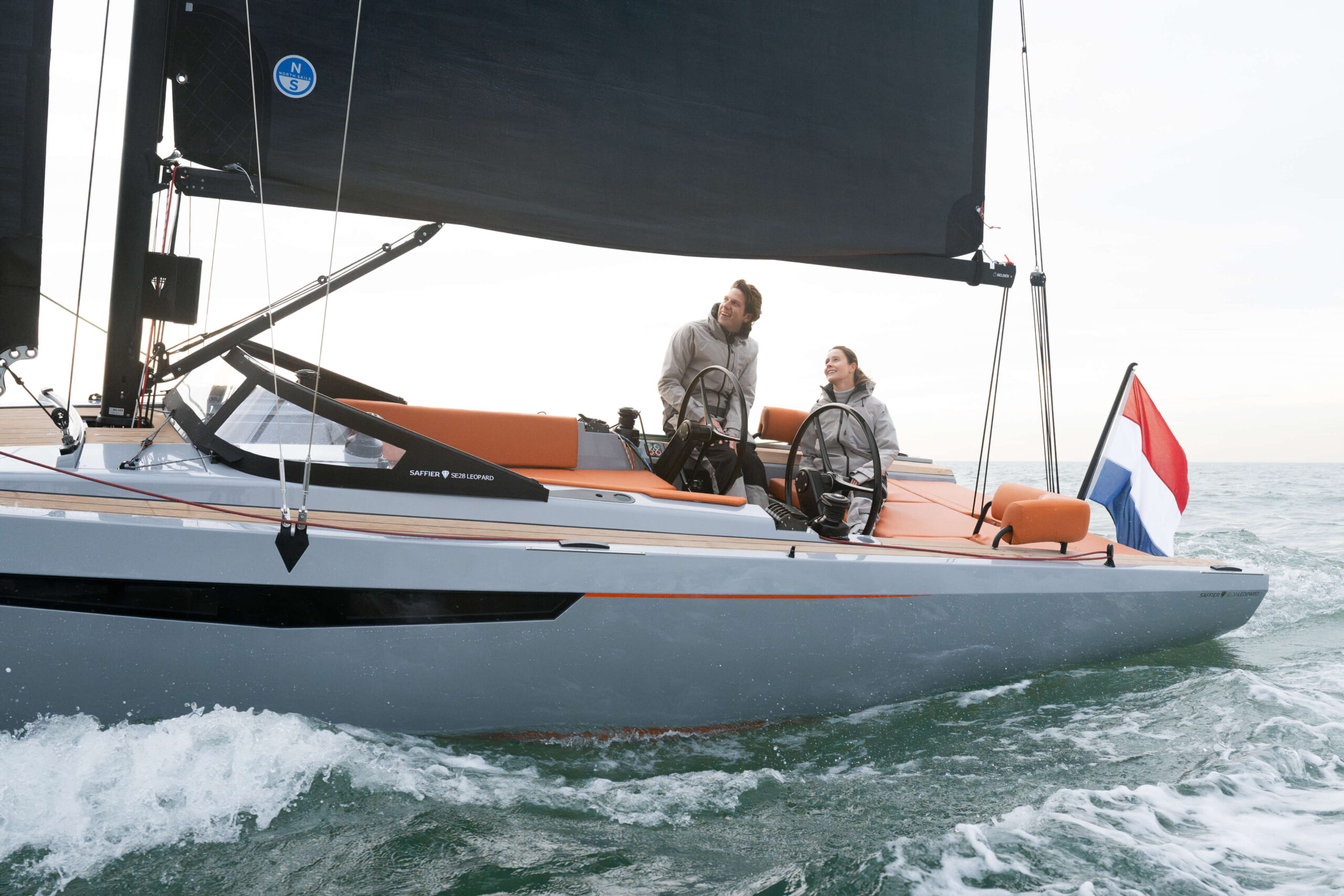
Deciding to sell a yacht does not mean the ownership experience failed.
Often, the opposite is true.
The yacht may have done exactly what you bought it to do. It carried your family through a stage of life, introduced you to cruising, took you racing, provided years of weekends away, or taught you what you want from the next boat.
Eventually, your needs can change.
The right decision is the one that aligns your yacht ownership with the way you want to spend your time now—not the way you imagined using the boat years ago.
If your current yacht still fits, maintain it and enjoy it.
If it does not, understanding its market position can help you decide what comes next.
Thinking About Selling Your Yacht?
Bluenose Yacht Sales can help you evaluate your yacht, understand its position in the current brokerage market, and decide whether selling now fits your ownership plans. If you are ready to move forward, explore Bluenose’s yacht selling resources and speak with a Bluenose yacht broker about preparing, pricing, and marketing your yacht. If the sale is part of a move into another vessel, you can also browse current yachts for sale and begin planning both sides of the transition.