

📢 Attention, aspiring sailors and nautical adventurers! 🚢 Are you dreaming of owning your very own sailboat, but feeling overwhelmed by the buying process? You’re not alone. The world of sailboat shopping can be as vast and unpredictable as the open sea itself.
Imagine stepping aboard your potential dream vessel, only to discover hidden issues that could sink your sailing aspirations (and your budget) faster than you can say “ahoy”! 😱 From structural integrity concerns to engine troubles, the list of potential pitfalls is enough to make even the most seasoned sailor’s head spin. But fear not, brave voyager! We’re about to toss you a lifeline.
In this comprehensive guide, we’ll navigate the choppy waters of sailboat buying together. We’ll explore everything from understanding your sailing needs to inspecting crucial components like the hull, rigging, and mechanical systems. So, batten down the hatches and prepare to embark on a journey that will transform you from a nervous novice to a confident, well-informed buyer. Let’s set sail on your path to finding the perfect sailboat! ⛵🌊
Know Your Sailing Needs
Assess your experience level
Before embarking on your sailboat purchase journey, it’s crucial to honestly evaluate your sailing experience. Your skill level will significantly influence the type and size of sailboat that’s right for you.
| Experience Level | Recommended Sailboat Type |
|---|---|
| Beginner | Small daysailer or dinghy |
| Intermediate | Coastal cruiser |
| Advanced | Offshore cruiser |
Determine your intended use
Consider how you plan to use your sailboat. This will help narrow down your options and ensure you choose a vessel that meets your specific needs.
- Daysailing
- Weekend cruising
- Long-distance voyaging
- Racing
- Living aboard
Consider crew size and requirements
The number of people you’ll typically sail with is a key factor in determining the appropriate sailboat size and layout.
- Solo sailing: Look for boats with easy-to-handle rigging
- Couple: Consider boats with a comfortable cabin and basic amenities
- Family or larger group: Prioritize spacious cockpits and multiple berths
Evaluate your budget
Your budget will play a significant role in your sailboat selection. Remember to account for:
- Initial purchase price
- Ongoing maintenance costs
- Mooring or storage fees
- Insurance premiums
- Upgrades and equipment
Now that you’ve assessed your needs, let’s examine the critical aspects of hull and structural integrity in the next section.
Hull and Structural Integrity

Inspect for cracks and damage
When examining a sailboat’s hull, look for any visible cracks, blisters, or impact damage. Pay close attention to high-stress areas such as the bow, stern, and along the waterline. Use a small hammer to tap the hull gently; a solid sound indicates integrity, while a dull thud may suggest delamination or water ingress.
Check for signs of water intrusion
Water intrusion can be devastating for a sailboat’s structure. Inspect the bilge area for standing water, mold, or a musty odor. Check around through-hull fittings, keel bolts, and chainplates for signs of leakage. Look for discoloration or soft spots in the deck, which may indicate water damage.
Evaluate keel condition
The keel is crucial for a sailboat’s stability and performance. Examine the keel-hull joint for any separation or rust stains, which could indicate potential structural issues. For fin keels, check for any signs of impact damage or misalignment.
Assess deck and cockpit state
Inspect the deck and cockpit for soft spots, cracks, or delamination. Pay special attention to high-traffic areas and around deck fittings. Check the condition of non-skid surfaces and ensure all hatches and ports are watertight.
| Area to Inspect | What to Look For |
|---|---|
| Hull | Cracks, blisters, impact damage |
| Bilge | Standing water, mold, odors |
| Keel | Separation, rust stains, misalignment |
| Deck | Soft spots, cracks, delamination |
Key inspection tools:
- Small hammer for tapping hull
- Moisture meter
- Flashlight
- Mirror for hard-to-see areas
Now that we’ve covered the hull and structural integrity, let’s move on to examining the rigging and sails, which are equally crucial for a sailboat’s performance and safety.
Rigging and Sails

Examine mast and boom condition
When assessing a sailboat’s rigging, start with the mast and boom. These crucial components should be straight, free from corrosion, and securely attached. Look for signs of stress or damage, such as cracks, dents, or discoloration. Pay special attention to the mast step and partners, ensuring they’re properly sealed and supported.
Inspect standing and running rigging
Next, thoroughly examine both standing and running rigging. The standing rigging (shrouds and stays) should be taut and free from fraying or kinks. Check for proper tension and look for any signs of corrosion, especially at terminal fittings. For running rigging, inspect halyards, sheets, and other lines for wear and proper function.
| Rigging Type | Key Inspection Points |
|---|---|
| Standing | Tension, corrosion, terminal fittings |
| Running | Wear, fraying, smooth operation |
Assess sail quality and age
Evaluate the condition of the sails, as they significantly impact performance and safety. Look for:
- UV damage
- Mildew or discoloration
- Torn or frayed edges
- Stretched or misshapen areas
Ask about the age of the sails and their maintenance history. Well-maintained sails can last several years, but older sails may need replacement soon.
Check winches and cleats
Finally, inspect all winches and cleats. These components should operate smoothly and be securely mounted. Test each winch for proper function and listen for any unusual noises. Ensure cleats are not bent or damaged and can hold lines securely.
With the rigging and sails thoroughly assessed, you’ll have a clearer picture of the sailboat’s overall condition and potential maintenance needs. Next, we’ll delve into the critical area of engine and mechanical systems, which are essential for safe and reliable operation.
Engine and Mechanical Systems
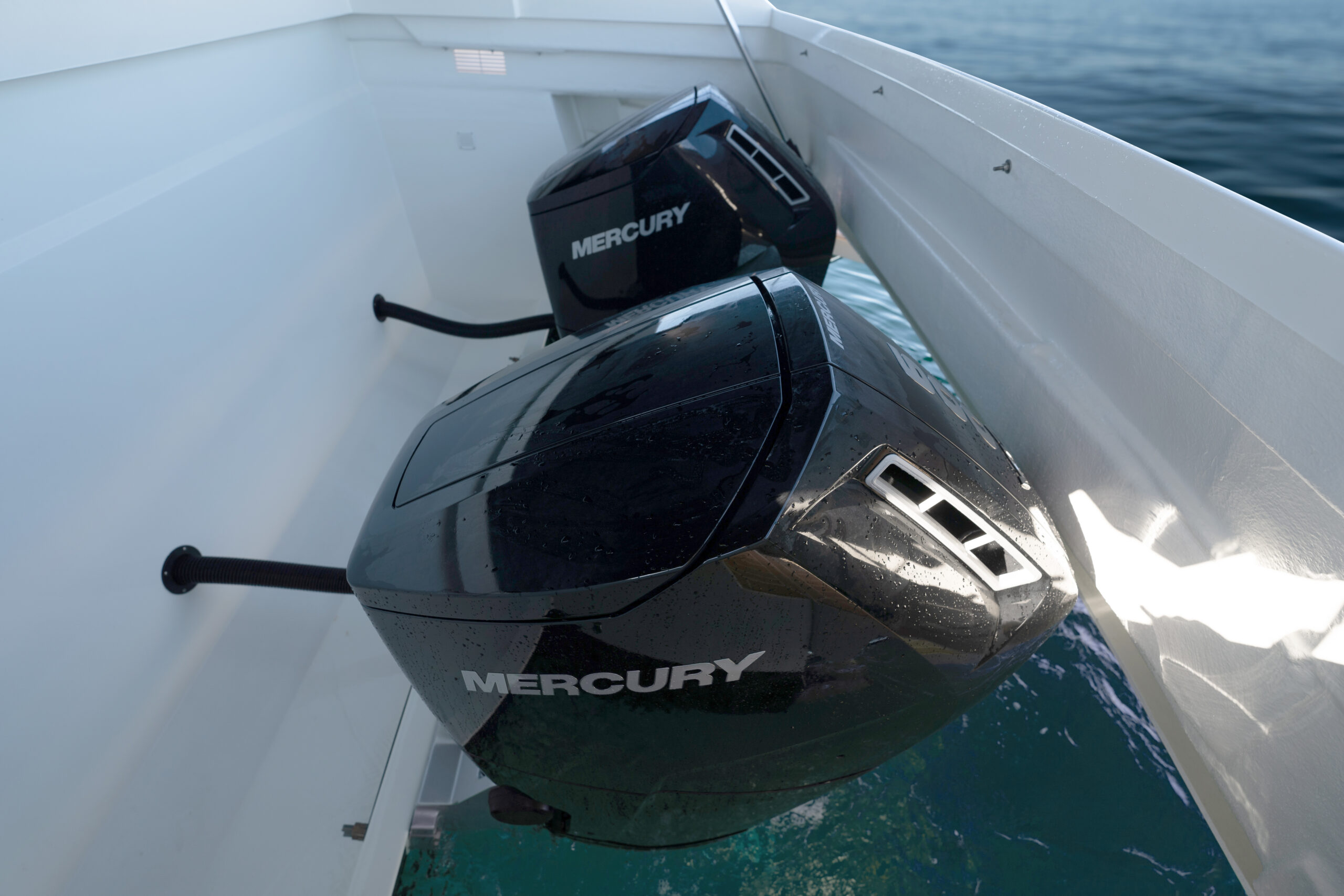
Test engine performance
When evaluating a sailboat’s engine, it’s crucial to conduct a thorough performance test. Start the engine and listen for any unusual noises or vibrations. Check for smooth acceleration and deceleration. Monitor the engine temperature and oil pressure gauges to ensure they’re within normal ranges.
| Test | What to Look For |
|---|---|
| Cold Start | Quick start, no excessive smoke |
| Idle | Smooth running, no stalling |
| Full Throttle | Reaches maximum RPM, no overheating |
| Reverse | Engages smoothly, no grinding |
Inspect fuel system
A well-maintained fuel system is essential for reliable engine operation. Look for signs of leaks, corrosion, or damage in fuel lines and connections. Check the fuel tank for rust or contamination. Ensure the fuel filters are clean and properly installed.
Check electrical systems
Electrical systems are vital for both safety and comfort aboard. Test all lights, including navigation lights and cabin lighting. Verify that the battery is in good condition and holds a charge. Inspect wiring for signs of wear or corrosion.
Evaluate steering mechanism
A responsive steering system is crucial for safe sailing. Test the wheel or tiller for smooth operation and proper alignment. Check for play in the steering cables or hydraulic lines. Ensure the rudder moves freely and shows no signs of damage.
Assess bilge pumps
Bilge pumps are your last line of defense against water ingress. Test both manual and electric bilge pumps to ensure they’re functioning correctly. Check for debris in the bilge area that could clog the pumps. Verify that float switches activate the pumps automatically when water is present.
Now that we’ve covered the engine and mechanical systems, let’s move on to the equally important safety equipment and navigation gear.
Safety Equipment and Navigation

A. Verify life jackets and safety gear
When inspecting a sailboat, safety should be your top priority. Start by checking the life jackets:
- Quantity: Ensure there are enough for the maximum capacity of the boat
- Condition: Look for wear, tears, or fading
- Expiration dates: Check if they’re still within the valid timeframe
Other essential safety gear to verify:
- Fire extinguishers
- Flares
- First aid kit
- Throwable flotation devices
- Emergency radio beacon (EPIRB)
| Safety Item | Quantity | Condition | Expiration |
|---|---|---|---|
| Life jackets | |||
| Fire extinguishers | |||
| Flares | |||
| First aid kit |
B. Check navigation instruments
Modern sailboats rely heavily on electronic navigation systems. Inspect the following:
- GPS chartplotter
- Depth sounder
- Wind instruments
- Compass
- Radar (if equipped)
Ensure all instruments are functioning correctly and provide accurate readings. Don’t forget to check traditional navigation tools like paper charts and dividers.
C. Inspect communication devices
Reliable communication is crucial for safety at sea. Verify the presence and functionality of:
- VHF radio
- Satellite phone (for offshore sailing)
- AIS (Automatic Identification System)
Test each device to ensure clear transmission and reception.
D. Evaluate anchoring system
A robust anchoring system is vital for any sailboat. Inspect the following components:
- Anchor(s)
- Anchor chain
- Windlass (if present)
- Rode (rope or chain)
Check for signs of wear, corrosion, or damage. Ensure the anchor is appropriate for the size of the boat and typical cruising grounds.
Now that we’ve covered safety equipment and navigation essentials, let’s move on to the interior comforts and amenities that can make your time aboard more enjoyable.
Interior Comfort and Amenities

Assess cabin layout and space
When evaluating a sailboat’s interior, start by assessing the cabin layout and space. Consider the following:
- Headroom: Ensure comfortable standing height throughout the cabin
- Berths: Count sleeping accommodations and measure their sizes
- Seating areas: Check for comfortable lounging spaces
- Natural light: Assess the number and size of windows and hatches
| Area | Considerations |
|---|---|
| Saloon | Seating capacity, table size, convertible options |
| Sleeping quarters | Privacy, storage, ventilation |
| Navigation station | Ergonomics, instrument panel accessibility |
Check galley functionality
A functional galley is crucial for enjoyable sailing trips. Inspect:
- Stove: Type (gas, electric, or alcohol), number of burners, and oven capacity
- Refrigeration: Size, efficiency, and power source
- Sink: Fresh and saltwater options, size, and drainage
- Counter space: Adequate preparation area and secure storage for cooking utensils
Inspect head and shower facilities
Comfort at sea includes well-designed bathroom facilities:
- Toilet: Manual or electric, holding tank capacity
- Shower: Separate or combined with the head, hot water availability
- Ventilation: Presence of fans or opening ports
- Water capacity: Fresh water tank size and ease of filling
Evaluate storage capacity
Ample storage is essential for extended cruising:
- Lockers: Number, size, and accessibility
- Hanging spaces: For wet gear and clothing
- Food storage: Dry and cool areas for provisions
- Equipment storage: Dedicated spaces for safety gear and spare parts
Remember, the interior should balance comfort with practicality, ensuring a pleasant living space without compromising sailing performance. Next, we’ll explore the importance of documentation and history when purchasing a sailboat.
Documentation and History

Review maintenance records
When considering a sailboat purchase, reviewing maintenance records is crucial. These documents provide valuable insights into the vessel’s history and overall condition. A well-maintained boat typically has:
- Regular engine servicing
- Hull inspections and repairs
- Rigging replacements
- Electrical system upgrades
Create a checklist to evaluate maintenance records:
| Aspect | What to Look For |
|---|---|
| Frequency | Regular, scheduled maintenance |
| Completeness | Detailed descriptions of work done |
| Professional work | Records from reputable marine services |
| Recent updates | Major systems serviced within 2-3 years |
Check for liens and ownership status
Verifying the boat’s legal status is essential to avoid future complications. Request a lien search from the appropriate maritime authority to ensure there are no outstanding debts attached to the vessel.
Verify vessel registration
Proper registration is crucial for legal operation. Ensure all documentation is current and matches the seller’s information. This includes:
- Current registration certificate
- Valid hull identification number (HIN)
- Proof of ownership documentation
Assess resale value potential
Consider the boat’s future resale value by examining:
- Brand reputation
- Model popularity
- Age and condition
- Unique features or upgrades
Research similar models and their market values to gauge the investment potential. Remember, a well-documented history of proper maintenance and care can significantly enhance a sailboat’s resale value.
Professional Inspection
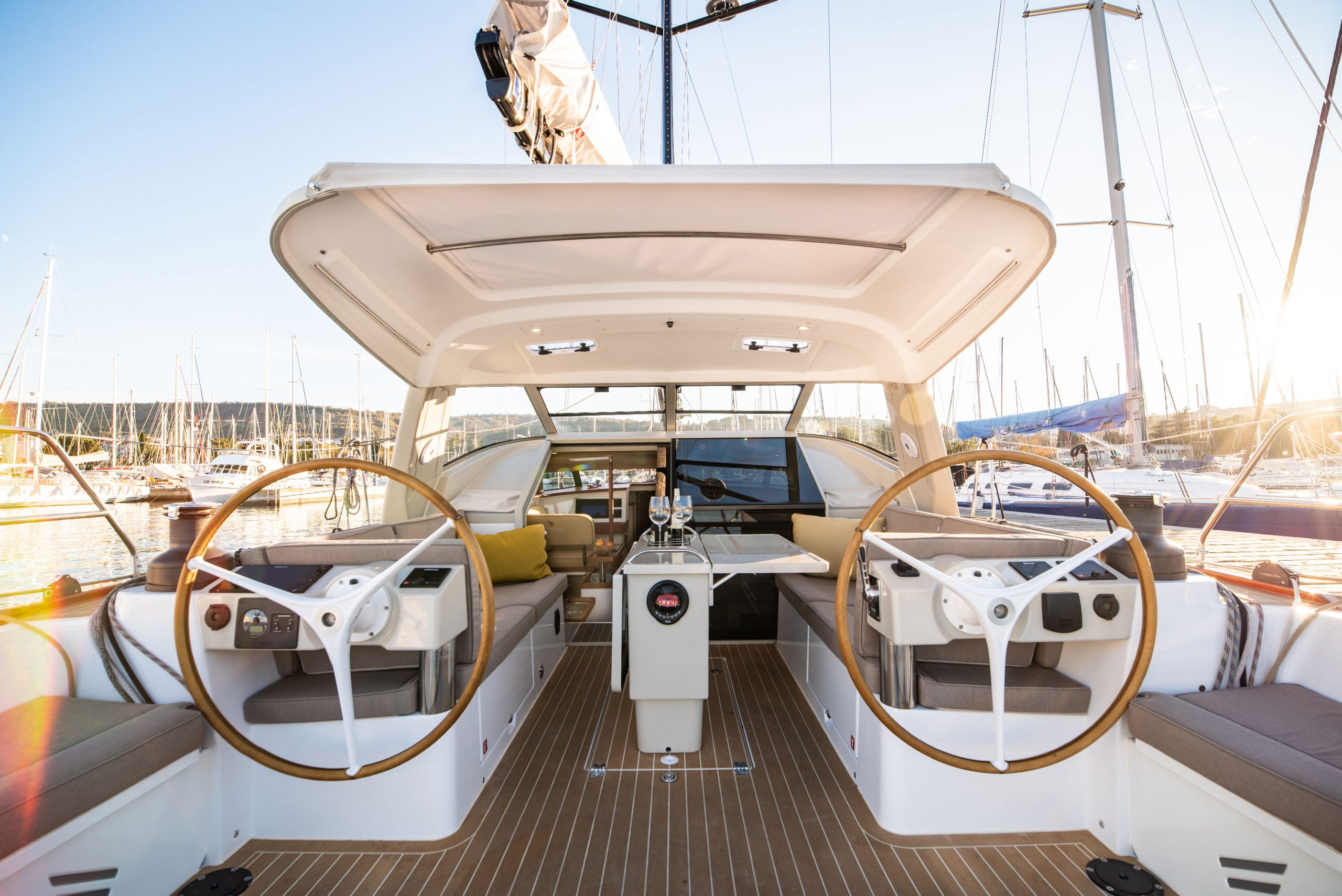
Hire a certified marine surveyor
When it comes to making a significant investment like purchasing a sailboat, hiring a certified marine surveyor is crucial. These professionals have the expertise to thoroughly evaluate the vessel’s condition and identify potential issues that may not be apparent to the untrained eye.
| Benefits of Hiring a Certified Marine Surveyor |
|---|
| Unbiased professional assessment |
| Identification of hidden problems |
| Accurate valuation for insurance purposes |
| Negotiation leverage for repairs or price |
Schedule sea trial
A sea trial is an essential step in the sailboat buying process. It allows you to experience the boat’s performance firsthand and uncover any issues that may only become apparent when the vessel is in action.
Key aspects to observe during a sea trial:
- Engine performance and noise levels
- Steering responsiveness
- Sail handling and rigging functionality
- Comfort and stability in various conditions
- Functionality of onboard systems
Get detailed inspection report
After the survey and sea trial, a comprehensive inspection report is invaluable. This document serves as a roadmap for understanding the boat’s current condition and potential future maintenance needs.
The report should include:
- Detailed descriptions of all inspected areas
- Photographic evidence of findings
- Recommendations for repairs or upgrades
- Estimated fair market value of the vessel
With this information in hand, you’ll be well-equipped to make an informed decision about your potential sailboat purchase. Remember, the cost of a professional inspection is a small price to pay for the peace of mind and protection it provides in such a significant investment.
Embarking on your sailboat purchase journey armed with this comprehensive checklist ensures you’re well-prepared to make an informed decision. From assessing your sailing needs to evaluating the vessel’s structural integrity, rigging, mechanical systems, and safety equipment, each step is crucial in finding the perfect sailboat for your adventures.
Remember, a thorough inspection by a professional marine surveyor is invaluable. Their expert eye can spot potential issues and provide peace of mind before you make your investment. By following this checklist and seeking professional guidance, you’ll be well on your way to finding the sailboat of your dreams and setting sail with confidence.