New England’s brutal winters can wreak havoc on your yacht if you don’t prepare properly. This comprehensive yacht winterization New England guide is designed for boat owners who want to protect their investment from freezing temperatures, snow loads, and harsh coastal conditions that define the region’s cold season.
You’ll learn the critical steps to safeguard your vessel during months of storage, from engine preparation to hull protection. We’ll walk you through essential pre-storage engine and mechanical system preparation, including how to winterize yacht engine systems to prevent costly freeze damage. You’ll also discover proven strategies for protecting your yacht’s plumbing and water systems from freezing, plus how to choose between different New England yacht storage winter options that fit your budget and needs.
By following this boat winterization checklist, you’ll avoid expensive spring repairs and ensure your yacht emerges from storage ready for another season on New England waters. Whether you’re storing in a marina, boatyard, or your own property, these yacht cold weather storage tips will keep your vessel in top condition through the harshest winter months.
Understanding New England’s Harsh Winter Conditions and Their Impact on Yachts
Temperature Fluctuations and Freeze-Thaw Cycles That Damage Hulls and Systems
Your yacht faces constant temperature swings during New England winters that can wreak havoc on every component. When temperatures drop below freezing and then rise above 32°F repeatedly, water trapped in small spaces expands and contracts, creating enormous pressure that can crack gelcoat, split hoses, and damage through-hull fittings.
The freeze-thaw cycle is particularly brutal on your yacht’s hull. Water that seeps into microscopic cracks in the gelcoat will expand when it freezes, turning minor surface issues into serious structural problems. Your boat’s hardware suffers too – stanchions, cleats, and winches can develop stress fractures as trapped moisture alternately freezes and thaws.
Pay special attention to your cooling system connections and raw water intakes. Even tiny amounts of residual water left in these systems can freeze and crack expensive components. The temperature swings also affect your yacht’s sealants and caulking, causing them to become brittle and lose their waterproofing properties.
Heavy Snow Loads That Can Cause Structural Damage to Decks and Equipment
New England snowstorms can dump several feet of heavy, wet snow on your yacht in a single event. Your boat’s deck wasn’t designed to support the massive weight of accumulated snow and ice, which can easily exceed 20-30 pounds per square foot during major storms.
Your canvas covers and bimini tops are especially vulnerable to snow loading. The weight can tear fabric, bend frames, and even cause complete structural failure of your hardtop or arch. Radar arches and antenna mounts face similar risks, as they create additional surface area for snow accumulation while having relatively small mounting points to distribute the load.
Snow buildup around your yacht’s equipment can also cause hidden damage. When snow melts during the day and refreezes at night, it creates ice dams that can force water into electrical connections, winch mechanisms, and other sensitive components. The weight of ice-covered lines and rigging puts extra stress on your mast, boom, and standing rigging.
Your boat’s drainage systems can become overwhelmed or blocked by snow and ice, causing water to pool in areas where it normally wouldn’t collect. This standing water then becomes a freeze-thaw problem that compounds the damage potential.
Ice Formation Risks for Through-Hull Fittings and Water Systems
Ice poses one of the most serious threats to your yacht during New England winters. When water freezes inside your through-hull fittings, it can crack the bronze or plastic components, potentially creating a pathway for catastrophic flooding when you launch in spring.
Your raw water cooling system faces the greatest risk. Even small amounts of water left in the sea strainer, heat exchanger, or connecting hoses will expand approximately 9% when frozen, generating enough force to crack engine blocks, split hoses, or destroy pumps. The cost of replacing a cracked engine block far exceeds the time invested in proper yacht winterization New England procedures.
Don’t overlook your air conditioning and generator cooling systems – these also use raw water and face the same freeze risks. Your freshwater system requires equal attention, as frozen pipes can burst inside your boat’s interior, causing extensive damage to cabinetry, electronics, and upholstery.
Ice formation around your rudder post and propeller shaft can also create problems. When thick ice surrounds these components, it can bind moving parts or create uneven pressure that damages seals and bearings.
Salt Air Corrosion Acceleration During Winter Months
Winter conditions accelerate corrosion on your yacht at an alarming rate. The combination of salt air, moisture, and temperature fluctuations creates the perfect environment for galvanic corrosion to attack your boat’s metal components.
Your stainless steel hardware becomes particularly vulnerable during winter months. The repeated wet-dry cycles from snow, ice, and temperature changes can cause pitting and crevice corrosion that’s difficult to reverse. Your boat’s aluminum components face similar risks, especially around dissimilar metal connections where galvanic action intensifies.
Salt spray doesn’t disappear in winter – it actually becomes more concentrated as moisture evaporates, leaving higher concentrations of corrosive salts on your yacht’s surfaces. These salts act like a sponge, drawing moisture from the air and maintaining corrosive conditions even when relative humidity seems low.
Your boat’s electrical connections suffer greatly from winter corrosion acceleration. Salt deposits on terminals and connections create pathways for current leakage while promoting oxidation that can completely destroy wiring connections. The alternating freeze-thaw cycles push salt water deeper into connection points, making spring cleanup more challenging and expensive.
Anodized aluminum and painted surfaces also deteriorate faster during winter storage. The salt-laden moisture penetrates protective coatings through microscopic defects, starting corrosion from the inside out that may not become visible until spring commissioning reveals the damage.
Essential Pre-Storage Engine and Mechanical System Preparation
Complete Engine Winterization with Antifreeze and Oil Changes
Your engine represents the heart of your yacht, and protecting it from New England’s brutal winter conditions demands careful attention to detail. Start by running your engine to operating temperature, then drain the old oil completely while it’s still warm. This removes contaminants that could cause corrosion during storage months. Replace the oil filter and refill with fresh oil to your manufacturer’s specifications.
Change your gear oil in the transmission and outdrive units, as water contamination can cause expensive damage during freeze-thaw cycles. Inspect the oil for any signs of water intrusion or metal particles that might indicate developing problems.
For antifreeze protection, you’ll need to flush your raw water cooling system thoroughly. Connect a flush fitting to your raw water intake and run clean water through the system until it flows clear. Then switch to marine-grade propylene glycol antifreeze (never use automotive ethylene glycol, which is toxic). Run the antifreeze through your entire cooling system until you see pink fluid flowing from all discharge points, including the exhaust outlets.
Don’t forget your generator if you have one – it needs the same winterization treatment as your main engine. Replace air filters, spark plugs if due, and ensure all fluid levels are topped off with appropriate winter-grade lubricants.
Fuel System Stabilization and Tank Treatment Procedures
Your fuel system requires special attention during yacht winterization New England conditions, where temperature swings can create condensation and fuel degradation issues. Fill your fuel tanks to 95% capacity to minimize air space where moisture can condense. The remaining 5% allows for fuel expansion without overflow.
Add a high-quality fuel stabilizer designed for marine applications at double the recommended concentration for storage. This protects against fuel oxidation and prevents the formation of varnish and gum deposits that can clog your fuel injectors or carburetors. Run your engine for 15-20 minutes after adding stabilizer to circulate it throughout the entire fuel system.
Install fresh fuel-water separator filters and replace your primary fuel filter. Water in fuel lines can freeze and crack components, creating expensive spring repairs. Consider adding a biocide treatment if your boat sits in humid conditions, as algae and bacteria can grow in fuel tanks during extended storage periods.
For boats with multiple fuel tanks, treat each tank individually and run the engine on each tank to ensure stabilizer reaches every part of your fuel system. Document your stabilizer brand and treatment date for spring recommissioning reference.
Cooling System Drainage and Antifreeze Protection Methods
New England’s winter boat maintenance demands complete protection of your cooling systems from freeze damage. Start with your raw water system by removing the seacock strainer and draining any standing water. Open all petcocks and drain plugs on your engine block, exhaust manifolds, and heat exchanger.
Your closed cooling system requires different treatment. Drain the existing coolant completely and flush with clean water until no contamination appears. Mix marine antifreeze to manufacturer specifications – typically a 50/50 ratio provides protection to -34°F, which handles most New England winter conditions.
Pay special attention to your air conditioning system if equipped. Drain all water from sea strainers, pumps, and through-hull connections. Many boat owners overlook AC systems during winterization, leading to cracked pumps and expensive spring repairs.
For exhaust systems, remove water from mufflers and exhaust risers by disconnecting hoses at low points. Replace any questionable hoses now rather than discovering failures during spring launch.
Test your antifreeze protection level with a hydrometer or test strips to verify adequate freeze protection. Keep detailed records of antifreeze concentrations and drainage procedures – this documentation helps identify any missed components during your spring recommissioning process.
Remember that different systems may require different antifreeze types, so never mix formulations. Your engine cooling system, freshwater system, and any hydraulic systems each have specific requirements for winter boat storage New England conditions.
Protecting Your Yacht’s Plumbing and Water Systems from Freezing
Comprehensive Freshwater System Drainage Techniques
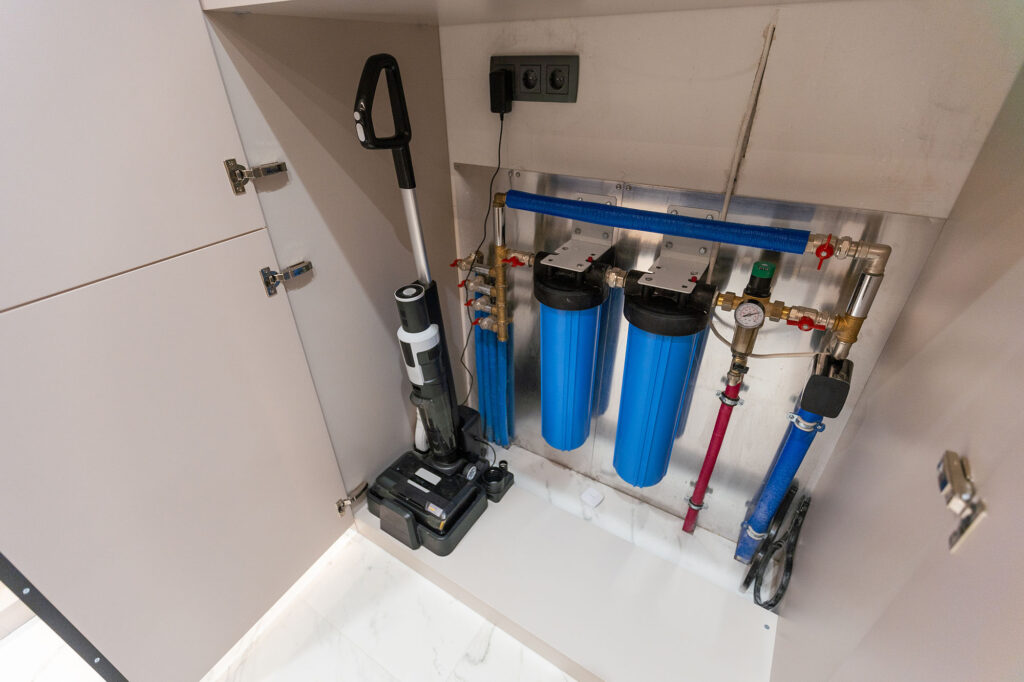
Your freshwater system needs complete drainage to prevent catastrophic freeze damage during New England’s brutal winters. Start by turning off your yacht’s water pump and opening all faucets, including hot and cold taps in the galley, heads, and any wet bars. Don’t forget the deck wash connections and any exterior spigots – these often get overlooked but are just as vulnerable.
Remove the water tank inspection plates and use a wet-dry vacuum to extract every drop of water from the tank bottom. Standing water will freeze and expand, potentially cracking your expensive water tanks. Next, disconnect the water pump’s inlet line and blow compressed air through the entire system, starting from the tank and working toward each faucet. You’ll hear air whistling through the lines, which means you’re pushing out trapped water.
Pay special attention to your water heater bypass valve – engage it to route water around the heater during the blowout process. Your shower sump pumps also need attention; manually activate them and pour a cup of antifreeze into each shower drain to protect the pump housing and lines.
Antifreeze Application for Toilets and Holding Tanks
Marine-grade antifreeze becomes your best friend when winterizing boat plumbing systems in New England’s harsh climate. Never use automotive antifreeze – it’s toxic and can damage rubber seals and hoses. Only use pink, non-toxic marine antifreeze specifically designed for potable water systems.
Start with your toilets by pumping out the holding tank completely at a pump-out station. Add five gallons of antifreeze directly to the empty holding tank, then pump fresh antifreeze through each toilet until pink fluid appears in the bowl. Pump the toilet several times to coat all internal surfaces and ensure antifreeze reaches every component.
For electric toilets, run the flush cycle multiple times with antifreeze to protect the pump mechanism. Don’t forget the toilet’s freshwater flush line – disconnect it and pour antifreeze through until it reaches the toilet bowl. Your waste tank vent lines also need protection; pour a cup of antifreeze down each vent fitting on deck.
Through-Hull Fitting Protection and Seacock Maintenance
Your through-hull fittings and seacocks face serious risks during New England winter storage, making proper protection essential for yacht freeze protection. Close all seacocks completely and confirm they’re functioning smoothly – this isn’t the time to discover a seized valve. Apply marine grease to the seacock handles and threads to prevent corrosion during storage.
Remove the hoses from your through-hulls where possible, allowing any trapped water to drain completely. For through-hulls below the waterline that you can’t easily access, ensure the seacocks are closed tight and consider adding antifreeze through the connected systems.
Your raw water intake deserves special attention since it’s constantly exposed to water. After closing the seacock, remove the raw water strainer and drain it completely. Clean the strainer basket and coat the housing threads with marine grease. For boats stored in the water, you might consider through-hull plugs as backup protection, but never rely on them as your primary seal.
| Through-Hull Type | Winterization Action | Antifreeze Needed |
|---|---|---|
| Raw Water Intake | Close seacock, drain strainer | Yes, through engine |
| Waste Discharge | Close seacock, add antifreeze | Yes, 1 gallon |
| Sink Drains | Close seacock, drain lines | Yes, 1 cup each |
| Cockpit Drains | Ensure clear drainage | Optional |
Hot Water Heater and Pressure System Winterization
Your hot water heater requires careful attention during yacht winter preparation to prevent expensive freeze damage. Start by turning off the heater’s power supply and allowing it to cool completely – never drain a hot water heater. Locate the drain valve, typically at the bottom of the tank, and connect a hose to direct water away from your boat.
Open the drain valve and the pressure relief valve simultaneously to allow complete drainage. Some water heaters have anode rods that you should inspect and potentially replace during this process. Once drained, leave both valves open throughout the storage period to prevent any residual moisture from causing problems.
Your pressure water pump needs protection too. Locate the pump and remove the inlet line, then run the pump briefly to expel any remaining water – just a few seconds to avoid damaging the pump. Add antifreeze to the pump housing through the inlet port until it flows out the outlet side.
Don’t overlook your accumulator tank if your yacht has a pressurized water system. These tanks often have drain plugs that allow complete water removal. After draining, add a small amount of antifreeze through the tank’s connection point to protect internal components.
For boats with complex water systems, consider installing drain valves at low points in your plumbing runs. These make annual winterization much easier and ensure you can remove water from areas that might otherwise trap moisture throughout the cold New England winter months.
Hull and Exterior Protection Strategies for Long-Term Storage
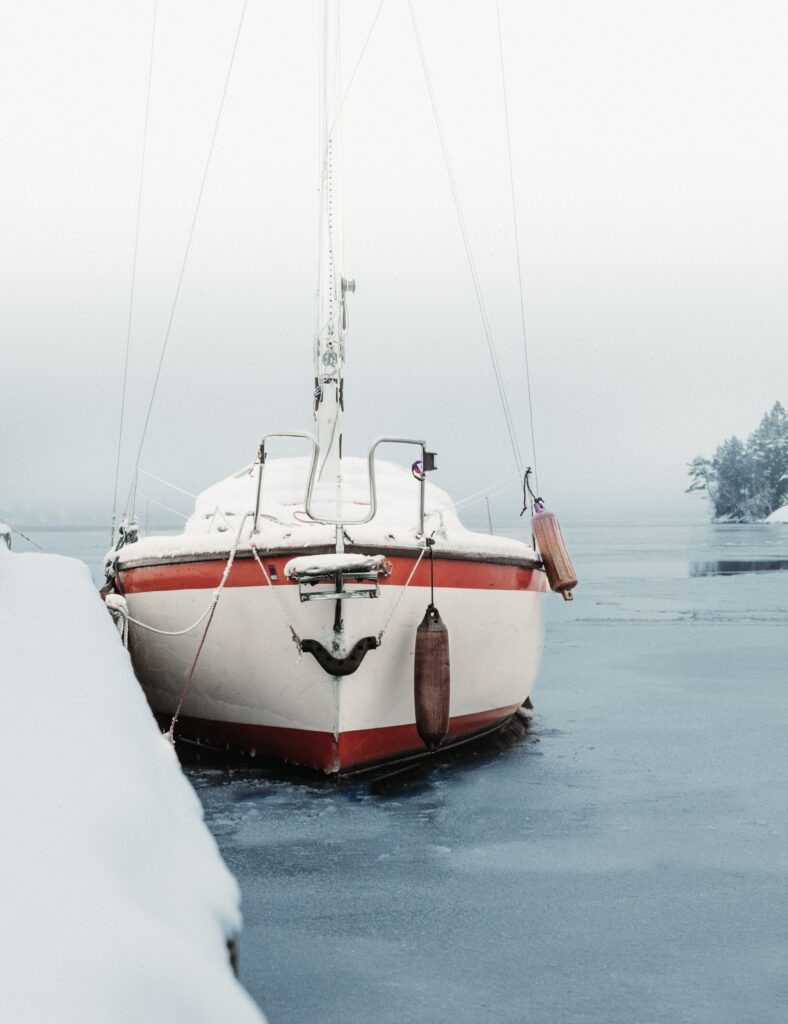
Bottom Paint Inspection and Touch-Up Procedures
Your boat’s bottom paint serves as the first line of defense against marine growth and hull damage during winter storage. Start your inspection by hauling your yacht and thoroughly cleaning the hull with fresh water to remove salt deposits and marine growth. Look for areas where the antifouling paint has worn thin, especially around the waterline, prop shaft, and rudder areas where turbulence creates extra wear.
Use a paint thickness gauge if available, but visual inspection works well too. Healthy bottom paint should show consistent color and thickness without bare spots or chalky areas. Pay special attention to stress points like the keel, through-hulls, and areas where your yacht sits on jack stands during previous storage periods.
For touch-ups, sand any rough or flaking areas with 220-grit sandpaper, then clean with a tack cloth. Apply primer if you’ve sanded down to bare fiberglass, then add two coats of matching antifouling paint. Many yacht owners in New England prefer hard antifouling paints that can withstand the freeze-thaw cycles better than ablative types.
Document your findings with photos and notes about which areas need attention. This creates a valuable record for future winterization planning and helps you track paint performance over multiple seasons.
Hull Cleaning and Protective Coating Applications
Deep cleaning your hull before winter storage prevents stains and damage that can occur when contaminants freeze against the gelcoat. Start with a pressure wash to remove loose marine growth, then follow with a specialized hull cleaner designed for your specific hull material. Fiberglass hulls benefit from acid-based cleaners for stubborn water stains, while painted hulls require gentler, pH-neutral products.
After cleaning, inspect the gelcoat for spider cracks, chips, or oxidation. Small gelcoat repairs done now prevent water intrusion and costly damage during freeze-thaw cycles. Sand damaged areas with progressively finer grits (400, 600, then 1000), apply gelcoat paste, and finish with polishing compound once cured.
Apply a high-quality marine wax or protective sealant to the entire hull above the waterline. This creates a barrier against moisture, UV damage, and temperature fluctuations. Choose products specifically formulated for long-term storage rather than standard boat wax. Many New England yacht owners swear by polymer sealants that last through the entire storage season.
Don’t forget your boat’s trim tabs, outdrives, or saildrive units. These components need special attention since they combine metal and composite materials that expand and contract at different rates during temperature swings.
Deck Hardware Lubrication and Cover Installation
Your deck hardware faces the brunt of winter weather, making proper preparation essential for yacht winter preparation. Start by cleaning all metal hardware with fresh water and mild detergent to remove salt deposits that accelerate corrosion. Focus on winches, cleats, hinges, tracks, and any stainless steel or aluminum components.
Lubricate moving parts with marine-grade grease or oil designed for long-term storage. Winches need complete servicing – remove handles, add grease to pawls and gears, and cycle through all positions several times. Spray penetrating oil on hinges, latches, and any pivot points. For sliding components like traveler cars or genoa tracks, clean thoroughly and apply a thin layer of waterproof grease.
Your covering strategy depends on your storage choice, but even indoor storage benefits from targeted protection. Use breathable covers that allow moisture to escape while blocking dust and debris. Canvas or synthetic covers work better than plastic tarps, which trap condensation and promote mold growth.
Secure all covers with proper tie-downs rated for your area’s wind loads. New England coastal winds can be severe, even in sheltered storage areas. Install ventilation ports in covers to promote air circulation, and check that covers don’t pool water or create stress points on hardware.
Remove or secure loose items like cushions, canvas, and electronics before covering. This prevents damage from shifting during winter storms and reduces the load on your cover system.
Choosing the Right Storage Option for Your New England Yacht
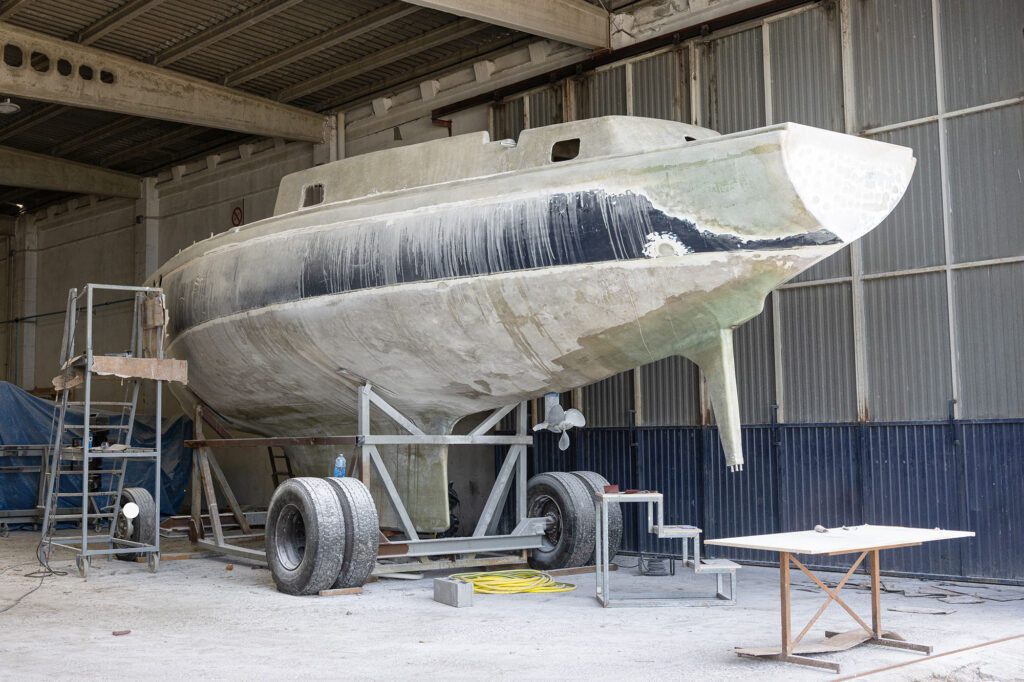
Indoor Heated Storage Benefits and Cost Considerations
Your best bet for protecting your yacht during New England’s brutal winters is indoor heated storage. This premium option keeps your vessel in a controlled environment, typically maintaining temperatures between 40-50°F throughout the cold months. You’ll avoid the freeze-thaw cycles that can wreak havoc on everything from gelcoat to mechanical systems.
The biggest advantage? You can skip most of the intensive winterization procedures. Your engine’s cooling system won’t need complete antifreeze flushing, and your plumbing systems can remain functional with minimal preparation. You’ll also protect your yacht’s interior from moisture damage, mold, and the musty odors that plague boats stored in harsh conditions.
Expect to pay premium prices for this convenience. Indoor heated storage in New England typically runs $40-80 per foot for the season, depending on location and facility amenities. Marinas closer to Boston or Newport command higher rates, while inland facilities offer better value. Factor in additional costs like insurance requirements and potential electrical hookup fees.
When evaluating facilities, check their security measures, fire suppression systems, and access policies. Some facilities restrict winter access, which could complicate any mid-season maintenance needs. The investment pays off when spring arrives – your yacht will emerge ready for immediate use with minimal recommissioning work.
Shrink Wrap Protection for Outdoor Storage Scenarios
Shrink wrap becomes your yacht’s winter armor when indoor storage isn’t feasible or budget-friendly. This plastic cocoon creates a weatherproof barrier that sheds snow, ice, and driving rain while allowing your boat to “breathe” through proper ventilation systems.
Professional shrink wrap installation typically costs $12-25 per foot, making it significantly more affordable than heated storage for larger yachts. The process involves wrapping your entire vessel in specially designed marine plastic, then heat-shrinking it for a tight, custom fit. Quality installations include reinforcement strapping, door systems for access, and strategically placed vents.
You’ll want to prepare your yacht thoroughly before wrap installation. Remove all sails, canvas, and loose equipment. Clean and dry all surfaces to prevent mold growth underneath the wrap. Install moisture absorbers and ensure your ventilation system is properly configured – trapped moisture under shrink wrap can cause serious damage.
Choose experienced marine professionals for installation. Poor wrapping jobs lead to tears, water intrusion, and ice dams that can damage your hull or deck. Good installers will inspect the wrap periodically and make repairs as needed. Budget for removal costs in spring, typically $3-8 per foot, since the plastic usually can’t be reused.
Dry Stack Storage Advantages for Smaller Vessels
Dry stack storage offers an ideal middle ground for yachts under 35 feet, combining protection with reasonable costs. Your boat gets stored indoors on specialized racks, completely out of the elements but without the expense of heated facilities.
This option works particularly well for smaller yachts because the storage facilities can accommodate multiple vessels efficiently, keeping costs down. You’ll pay roughly $20-40 per foot for the season, depending on your location and the facility’s amenities. Many dry stack operations in New England cater specifically to local boaters and understand regional winterization needs.
Your yacht receives excellent protection from weather, ice, and UV damage. The controlled environment prevents most freeze-thaw issues, though you’ll still need to winterize water systems and engines since most dry stack facilities aren’t heated. You’ll appreciate not having to worry about dock lines, fender adjustments, or storm damage that plague boats in wet slips.
Access can be limited since you’ll need facility staff to retrieve your boat using their equipment. This makes mid-winter maintenance more challenging but shouldn’t be a major concern for proper winter storage. Many facilities offer additional services like shrink wrapping, engine servicing, and spring commissioning, creating a convenient one-stop solution for your winter yacht storage New England needs.
Marina Wet Slip Winterization Requirements
Keeping your yacht in a wet slip through New England’s winter demands the most comprehensive winterization approach. You’re essentially asking your boat to survive months of ice, snow, and freezing temperatures while floating in water that may freeze solid.
Your marina will likely require specific insurance coverage and proof of proper winterization before allowing winter slip rentals. This typically includes complete engine winterization, plumbing system protection, and adequate heating systems to prevent hull damage from ice formation. Some marinas mandate professional winterization certificates.
Ice management becomes critical in wet slip storage. You’ll need a reliable bubbler or de-icer system to maintain water circulation around your hull. Static ice can crush even well-built hulls, so this equipment isn’t optional. Plan for higher electrical costs – running heaters and de-icers continuously through winter significantly increases your slip’s power consumption.
Regular monitoring is essential since you can’t simply walk away until spring. Ice storms, heavy snow loads, and equipment failures require immediate attention. You’ll need to check dock lines regularly, as ice and thermal expansion can stress them beyond safe limits. Many experienced New England boaters visit their wet-stored yachts weekly during winter months to address issues before they become expensive problems.
Winter wet slip rates often include premium charges for ice management and additional dock maintenance, typically adding 25-40% to regular slip fees.
Electrical System Safeguarding and Battery Maintenance
Battery removal and proper winter storage techniques
Your yacht’s batteries face serious challenges during New England’s harsh winter months. Cold temperatures dramatically reduce battery capacity and can cause permanent damage if you don’t take proper precautions. The first step in your yacht winterization checklist should involve removing all batteries from your vessel before temperatures drop consistently below freezing.
Start by disconnecting the negative terminal first, followed by the positive terminal on each battery. Clean the terminals thoroughly with a wire brush and baking soda solution to remove any corrosion. Take photos of your wiring connections before removal – you’ll thank yourself come spring when it’s time to reinstall everything.
Store your batteries in a warm, dry location like your basement or heated garage. The ideal storage temperature ranges between 32°F and 80°F. Never place batteries directly on concrete floors, as this can cause them to discharge faster. Instead, use wooden pallets or battery storage racks to keep them elevated.
Check the electrolyte levels in flooded lead-acid batteries and top them off with distilled water if needed. For your yacht winter preparation guide, remember that fully charged batteries resist freezing much better than discharged ones. Charge your batteries to 100% before storage and plan to check them monthly, recharging when voltage drops below 12.4 volts for 12-volt systems.
Electrical system disconnection and moisture prevention
Protecting your electrical systems from New England’s winter moisture requires methodical disconnection and sealing procedures. Water infiltration and condensation can wreak havoc on your yacht’s sensitive electronics, causing corrosion and expensive repairs that could easily be prevented with proper winterization.
Begin by switching off your main electrical panel and removing all fuses. Store fuses in labeled containers so you can easily identify their locations during spring recommissioning. Disconnect all non-essential electrical equipment, including GPS units, fish finders, radios, and entertainment systems. If possible, remove these items entirely and store them in your home where temperature and humidity remain controlled.
Apply dielectric grease to all exposed electrical connections and terminals. This marine-grade protective compound creates a barrier against moisture and corrosion. Wrap sensitive connection points with self-amalgamating tape for additional protection. Pay special attention to areas where wiring passes through bulkheads or deck penetrations, as these spots are particularly vulnerable to moisture intrusion.
Install moisture-absorbing products throughout your electrical compartments. Desiccant packets or rechargeable dehumidifiers help maintain dry conditions inside electrical panels and battery compartments. Check these regularly during winter storage and replace or recharge as needed.
Shore power considerations for heated storage facilities
When storing your yacht in a heated facility with available shore power, you gain significant advantages for maintaining your electrical systems throughout New England’s winter months. However, proper shore power management requires careful planning to ensure safety and optimal system preservation.
Connect your yacht to shore power using a properly rated marine extension cord and ensure your electrical system includes appropriate surge protection. Install a marine-grade surge protector to shield your yacht’s electrical components from power spikes that commonly occur during winter storms. Your shore power connection should include a galvanic isolator to prevent stray current corrosion.
Use shore power strategically to run dehumidifiers and ventilation fans, which help prevent moisture buildup that leads to mold and electrical corrosion. A small space heater can maintain consistent temperatures in critical areas, but never leave heating equipment unattended or use non-marine rated devices.
Consider installing a battery maintainer connected to shore power if you choose to leave batteries aboard. These smart chargers provide optimal charging profiles and prevent overcharging while keeping batteries at full capacity throughout storage. This approach works especially well for newer AGM or lithium batteries that don’t require regular maintenance.
Monitor your power consumption and ensure your marina’s electrical system can handle your yacht’s winter power needs. Some facilities have limitations on power usage, so discuss your requirements with marina staff before finalizing your winter boat maintenance New England storage plan.
Interior Protection and Ventilation Management

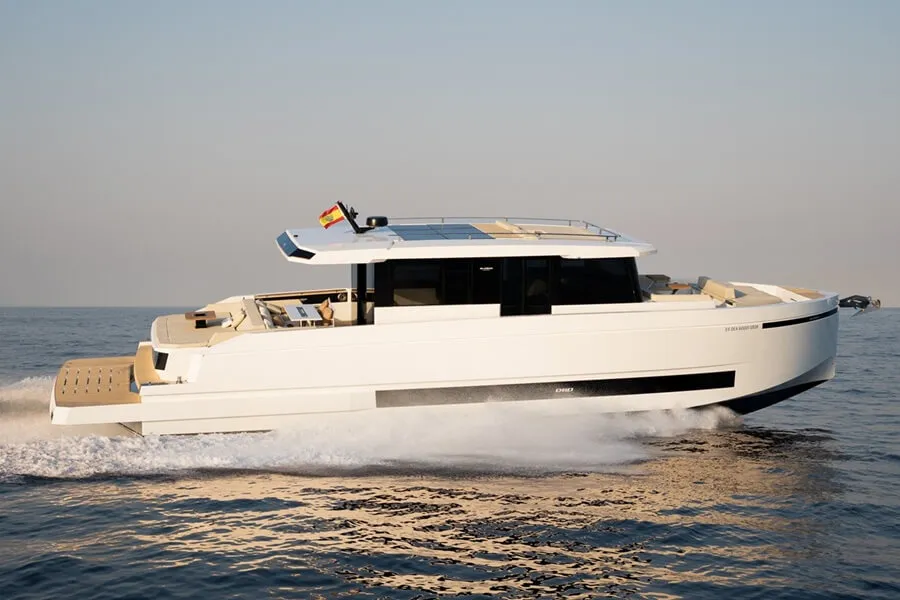
Saffier SL 46
Moisture Control Strategies to Prevent Mold and Mildew
Your yacht’s interior becomes a breeding ground for mold and mildew during New England’s damp winter months if you don’t take proper precautions. Start by thoroughly cleaning all surfaces with a mildew-resistant cleaner before storage, paying special attention to areas prone to moisture accumulation like galley counters, head compartments, and storage lockers.
Install moisture absorbers throughout your vessel, using desiccant products specifically designed for marine environments. Place these in every cabin, locker, and compartment – you’ll need approximately one absorber per 50 cubic feet of enclosed space. Rechargeable desiccant units work exceptionally well for yacht winterization New England conditions, as they can handle the region’s high humidity levels.
Consider using a dehumidifier during the initial storage period if your yacht is stored indoors or under cover. Set it to maintain humidity levels below 50% for the first few weeks until moisture levels stabilize. Replace or recharge your moisture absorbers monthly during storage to maintain their effectiveness throughout the winter season.
Cushion and Fabric Protection Methods
Your yacht’s upholstery and fabrics need special attention during winter boat maintenance New England preparation. Remove all cushions, pillows, and removable fabric items from your vessel before storage. This prevents trapped moisture from creating permanent damage and eliminates potential mold growth areas.
Clean all fabrics thoroughly before storage using appropriate marine-grade cleaners. Allow everything to dry completely – even slightly damp fabrics can develop mold and mildew during long-term storage. Store cushions and fabrics in a dry, well-ventilated area away from direct sunlight and temperature fluctuations.
For cushions that cannot be removed, position them vertically or at angles to promote air circulation. Use breathable covers rather than plastic, which traps moisture. Canvas or specially designed marine storage covers allow air movement while protecting against dust and debris.
Create spacing between cushions and surfaces using wooden blocks or PVC pipe sections. This simple technique dramatically improves air circulation around fabric surfaces, reducing the risk of moisture-related damage during your winter boat storage New England period.
Electronics Removal and Safe Storage Procedures
Electronics are particularly vulnerable during yacht cold weather storage, making proper removal and storage critical for your equipment’s longevity. Start by removing all portable electronics including GPS units, chartplotters, radios, tablets, and personal devices from your vessel.
Document the wiring connections for each device before disconnection, taking photos or making detailed notes. This saves considerable time and frustration during spring recommissioning. Clean all connection points with electronic contact cleaner and apply dielectric grease to prevent corrosion.
Store your electronics in a climate-controlled environment where temperatures remain stable and humidity stays low. Avoid basements, garages, or other areas subject to temperature swings. Wrap sensitive equipment in anti-static materials and store in original packaging when possible.
For permanently mounted electronics that cannot be removed, disconnect all power sources and cover with breathable protective covers. Remove batteries from all devices to prevent corrosion damage from battery leakage during storage.
Ventilation System Setup for Air Circulation
Proper ventilation is the cornerstone of successful interior protection during winterize yacht engine systems and storage preparation. Your goal is creating continuous air movement without allowing precipitation or excessive cold air inside the vessel.
Install dorade-style vents or cowl vents that allow air circulation while preventing water entry. Position intake vents at the bow and exhaust vents at the stern to create natural airflow patterns. This cross-ventilation helps prevent stagnant air pockets where moisture accumulates.
Use solar-powered ventilation fans for active air circulation when your yacht is stored in areas with adequate sunlight. These fans operate continuously without draining your electrical system and provide consistent air movement throughout the storage period.
Keep some hatches slightly open using hatch props or wedges, but only if your storage location provides adequate weather protection. Even a small opening dramatically improves air circulation, but balance this against security concerns and weather exposure risks.
Block intake vents with screen material to prevent insects and small animals from entering while maintaining airflow. Regular monthly checks during storage allow you to adjust ventilation based on changing weather conditions and ensure your systems continue working effectively throughout your yacht winter preparation guide timeline.
Spring Recommissioning Preparation and Maintenance Scheduling

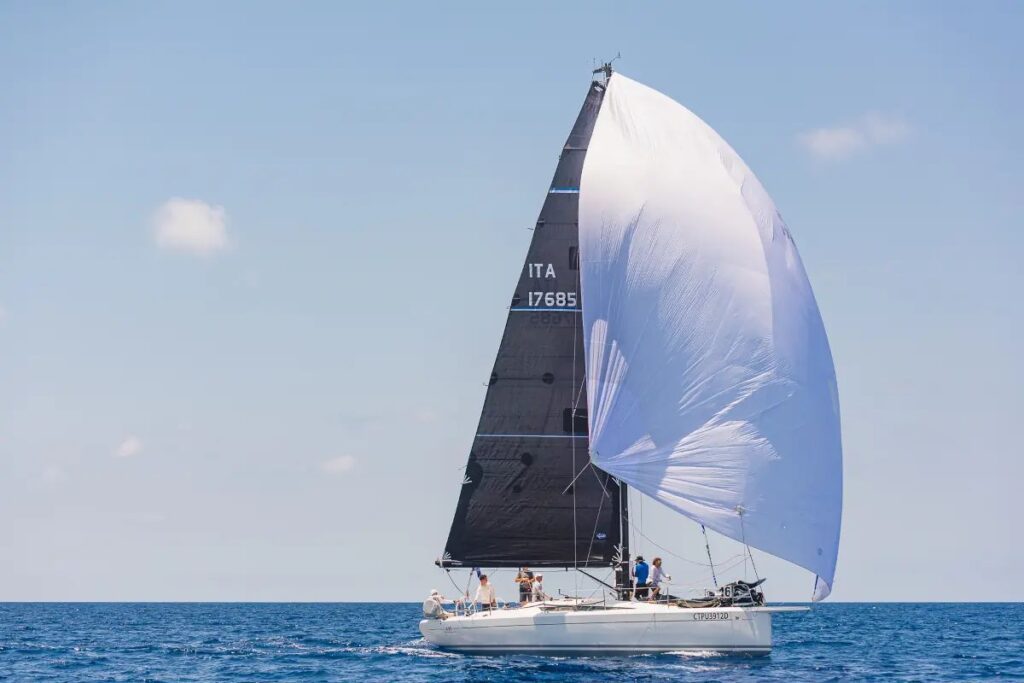
The Sunfast 3300 Alchemist sailed by Ken Read and Suzy Leech
Creating a Comprehensive Spring Startup Checklist
Your yacht winterization New England efforts will only pay off if you have a solid plan for bringing your boat back to life. Start building your spring checklist before you even winterize – this way, you’ll remember exactly what needs reversing come warmer weather.
Begin with your engine systems since these require the most attention after winter boat maintenance New England protocols. Document every fluid you drained, every connection you disconnected, and every winterization step you completed. Your spring checklist should include refilling engine coolant, changing oil and filters, reconnecting fuel lines, and testing all engine components before your first startup.
Don’t forget your plumbing systems – you’ll need to reconnect water lines, test all pumps, and check for any freeze damage that might have occurred despite your winterize yacht engine systems preparations. Create separate sections for electrical systems, including battery reconnection and testing, navigation equipment checks, and safety system verification.
Your hull inspection deserves its own checklist category. Plan to examine the entire hull for winter damage, check through-hull fittings, inspect the propeller and shaft, and verify that your yacht freeze protection measures worked effectively. Include a section for interior systems like HVAC, galley appliances, and entertainment systems.
Make your checklist seasonal by noting optimal weather conditions for each task. Some jobs work better on warm, dry days, while others can be tackled during cooler spring weather.
Professional Service Scheduling for Optimal Timing
Timing your professional services correctly can make or break your season launch. New England marine service providers get slammed in spring, so book your appointments while your yacht is still in winter boat storage New England facilities.
Schedule your engine service first – typically 6-8 weeks before your planned launch date. This gives you buffer time if problems arise during recommissioning. Your engine technician should handle oil changes, filter replacements, cooling system checks, and any needed repairs from your winter boat maintenance New England routine.
Plan your haul-out and bottom work next. Most yards start hauling boats in March and April, depending on weather. Book your spot early because prime dates fill up fast. Your bottom painting and propeller work should happen 2-4 weeks before launch to ensure proper curing time.
Electronics and navigation system checks work best about 3-4 weeks before launch. This timing allows for any needed repairs or updates while avoiding the last-minute rush. Your GPS, radar, and communication equipment all need testing after months of storage.
Don’t overlook your rigging inspection if you have a sailboat. Schedule this 4-6 weeks out, as rigging work often reveals additional needs that require ordering parts. Your rigger can also handle any canvas or sail repairs identified during your yacht winterization New England process.
Parts and Supply Inventory for Efficient Recommissioning
Smart yacht owners stock up on recommissioning supplies during winter months when prices are lower and selection is better. Create your parts inventory based on your winterization notes and previous season’s maintenance records.
Engine-related supplies top your list. Stock up on engine oil, coolant, fuel filters, oil filters, spark plugs, and belts. Having these items ready saves multiple trips to marine stores during busy spring season when everyone else is scrambling for the same parts.
Your plumbing system needs fresh impellers, gaskets, hose clamps, and possibly new hoses if any showed wear before storage. Keep spare through-hull plugs, bilge pump parts, and plumbing fittings on hand. These small items often fail after winter storage and can delay your launch if you’re caught unprepared.
Battery maintenance supplies are critical – have battery terminal cleaner, corrosion preventive spray, distilled water for flooded batteries, and a good battery charger ready. Your electrical system might need wire connectors, electrical tape, and fuses after months in yacht cold weather storage tips conditions.
Don’t forget basic maintenance supplies like marine-grade cleaners, waxes, and polishes. Your yacht will need a thorough cleaning after winter storage, and having quality products ready speeds up the process.
Stock cleaning supplies specifically for different surfaces – separate products for fiberglass, metal, canvas, and interior fabrics work much better than all-purpose cleaners. Include brushes, rags, and protective equipment for safe cleaning operations.

Photo by Yuval Zukerman on Unsplash
Getting your yacht ready for New England’s brutal winters isn’t just about avoiding costly repairs—it’s about protecting your investment and ensuring countless more seasons on the water. From winterizing your engine and plumbing systems to choosing between indoor and outdoor storage options, each step in this process plays a crucial role in keeping your vessel in top condition. You’ve learned how proper hull protection, electrical system care, and interior ventilation can make the difference between a smooth spring launch and expensive surprise repairs.
Don’t wait until the first freeze warning to start your winterization process. Begin planning your yacht’s winter care at least a month before hauling, and consider working with experienced marine professionals who understand New England’s unique challenges. Your yacht has given you incredible memories this season—show it the same care and attention it deserves during the off-season. Start your winterization checklist today, and you’ll be ready to hit the water as soon as spring arrives.
Don’t let a harsh New England winter damage your valuable investment. Bluenose Yachts offers comprehensive winterization services and expert guidance to protect your yacht through the cold months. Our team knows exactly what New England winters demand and can handle everything from engine winterization to shrink wrap and secure storage arrangements. Contact Bluenose Yachts today for winterization services or expert advice on preparing your yacht for winter. Call us or stop by our Newport location before the season ends!